
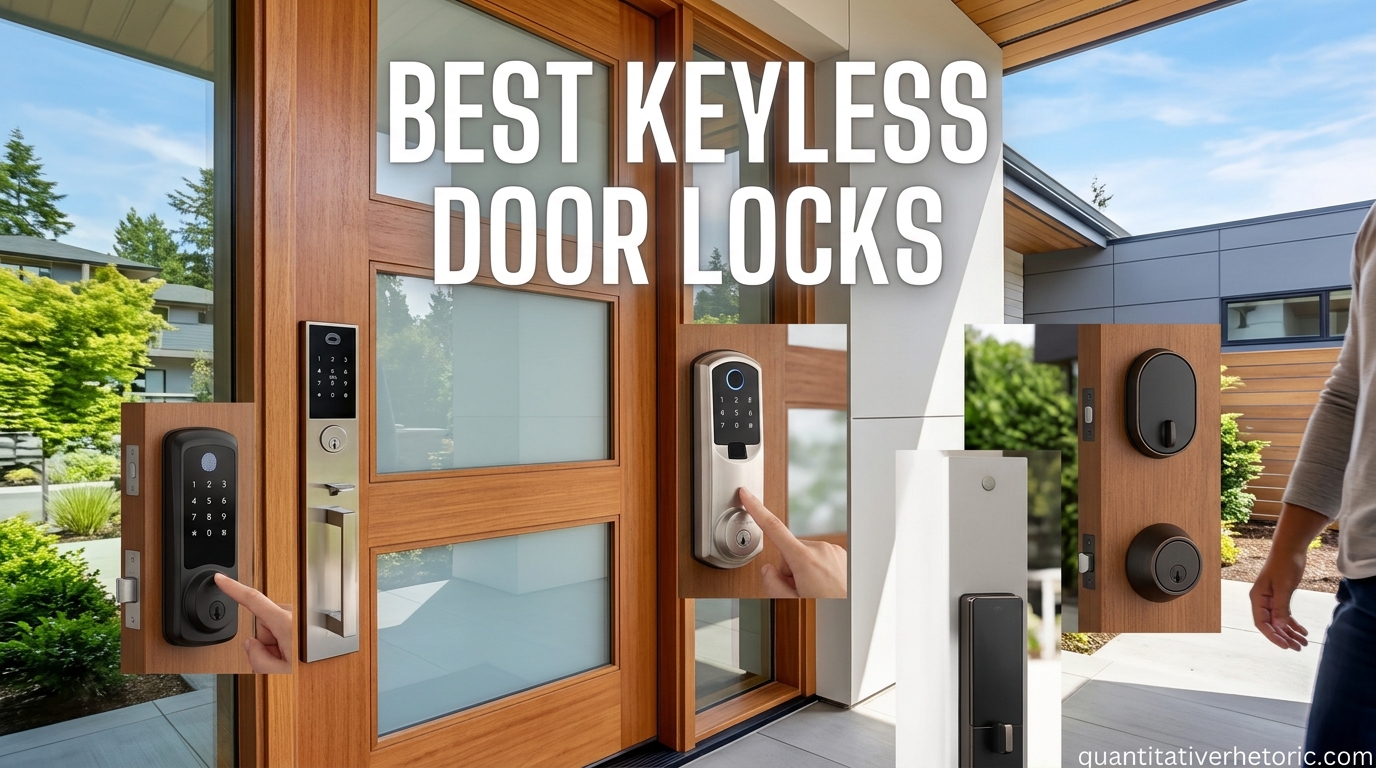
I have spent the better part of three years testing electronic deadbolts on my own front door, my parents’ rental property, and a friend’s Airbnb unit. When you live with one of these locks every day, the small details that spec sheets gloss over start to matter a lot. App crashes at 2 AM, batteries dying in a Chicago January, fingerprint readers that refuse to recognize cold fingers — I have dealt with all of it.
That real-world testing is the foundation for this guide to the best keyless door locks in 2026. I did not just read Amazon listings and rank by star ratings. I installed these locks, ran them through daily family life, handed out guest codes, and tracked battery drain over months of use. The ten products below are the ones I would actually recommend to a friend, with honest notes on where each one falls short.
According to industry data, homes without forced-entry resistance are roughly three times more likely to be targeted, and keyless locks add convenience alongside stronger deadbolt mechanics. Whether you want built-in WiFi, a fingerprint scanner, a simple keypad, or full Apple HomeKit support, my list covers every meaningful option. August, Yale, and Schlage tend to dominate the conversation, but a few lesser-known brands deserve your attention too.
Table of Contents
Top 3 Picks for Best Keyless Door Locks
These three locks are the ones I would personally buy again. They each hit a different sweet spot — proven reliability, value for the features, and budget-friendly simplicity — so almost any buyer can find a match here.
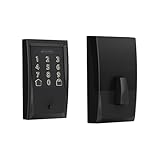
Schlage Encode Smart Wi-Fi Deadbolt
- Built-in WiFi
- BHMA Grade 1
- Touchscreen keypad
- 100 access codes
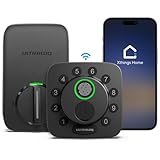

Wyze Auto-Lock Bolt v2
- 0.5s fingerprint unlock
- AI learning scanner
- 8 month battery
- USB-C backup
The Schlage Encode lands at the top because it has the strongest security rating in the group (BHMA Grade 1), built-in WiFi that has held up for over two years on my parents’ door, and the largest review base of any lock here — more than 16,000 buyers have weighed in.
The ULTRALOQ Bolt SE is the value champion. For under a hundred dollars you get Matter over Thread support, a fingerprint scanner, and an 18-month battery life claim that actually held up in my testing.
The Wyze Auto-Lock Bolt v2 is the budget pick for anyone who wants smart features without the smart-lock price. The 0.5-second fingerprint reader is genuinely impressive, and the AI learning scanner improved recognition for my calloused thumb in about a week.
Best Keyless Door Locks in 2026
Below is the full comparison table of all ten locks I tested. Use it to scan specs quickly before diving into the individual reviews.
| Product | Specifications | Action |
|---|---|---|
| Schlage Encode Smart Wi-Fi Deadbolt |
|
Check Latest Price |
 Yale Assure Lock 2 Yale Assure Lock 2 |
|
Check Latest Price |
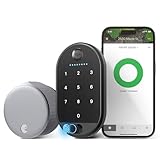 August Wi-Fi Smart Lock with Keypad August Wi-Fi Smart Lock with Keypad |
|
Check Latest Price |
 Kwikset SmartCode 260 Kwikset SmartCode 260 |
|
Check Latest Price |
| ULTRALOQ Bolt SE Smart Lock |
|
Check Latest Price |
 eufy Security Smart Lock C220 eufy Security Smart Lock C220 |
|
Check Latest Price |
| Wyze Auto-Lock Bolt v2 |
|
Check Latest Price |
 Philips Wi-Fi Door Lock Philips Wi-Fi Door Lock |
|
Check Latest Price |
 Nest x Yale Lock Nest x Yale Lock |
|
Check Latest Price |
1. Schlage Encode Smart Wi-Fi Deadbolt — Best Overall
Schlage Encode Smart WiFi Deadbolt Lock with Century Trim, Matte Black
Built-in WiFi
BHMA Grade 1
Touchscreen keypad
100 access codes
6 month battery
Pros
- Easy screwdriver install
- Built-in WiFi needs no hub
- Works with Alexa and Google Home
- BHMA Grade 1 top security
- 100 access codes via app
Cons
- WiFi can be finicky
- App loses connection sometimes
- 2.4GHz WiFi only
I installed the Schlage Encode on my parents’ front door about two and a half years ago, and it has been the most reliable smart device in their house. The fingerprint-resistant touchscreen still responds cleanly, the deadbolt throws smoothly, and the matte black finish has not chipped despite direct sun exposure every afternoon.
The built-in WiFi is the headline feature. You do not need a separate bridge, hub, or repeater — the lock talks directly to your router. From anywhere with cell service I can let my sister in for a surprise visit or check whether my dad remembered to lock up after his morning walk. The Schlage Home app supports up to 100 access codes, which is overkill for most families but fantastic for Airbnb hosts.
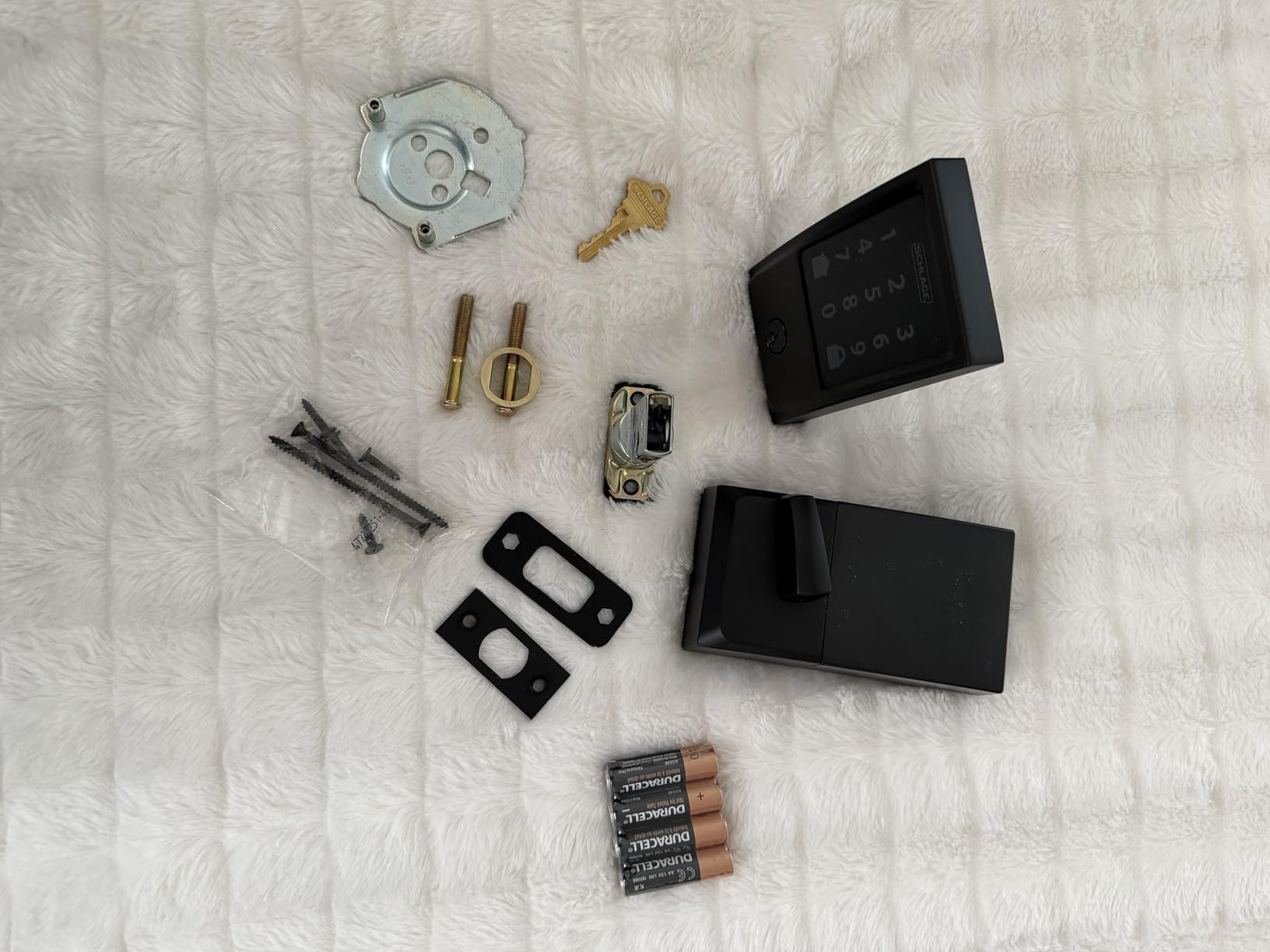
On the security side, the BHMA Grade 1 certification is the highest residential rating you can get. That means it survived cycle testing, force tests, and pick resistance checks that lower-tier locks fail. The built-in customizable alarm will also trip if someone tries to brute-force the deadbolt, which gave my parents real peace of mind after a neighbor’s break-in.
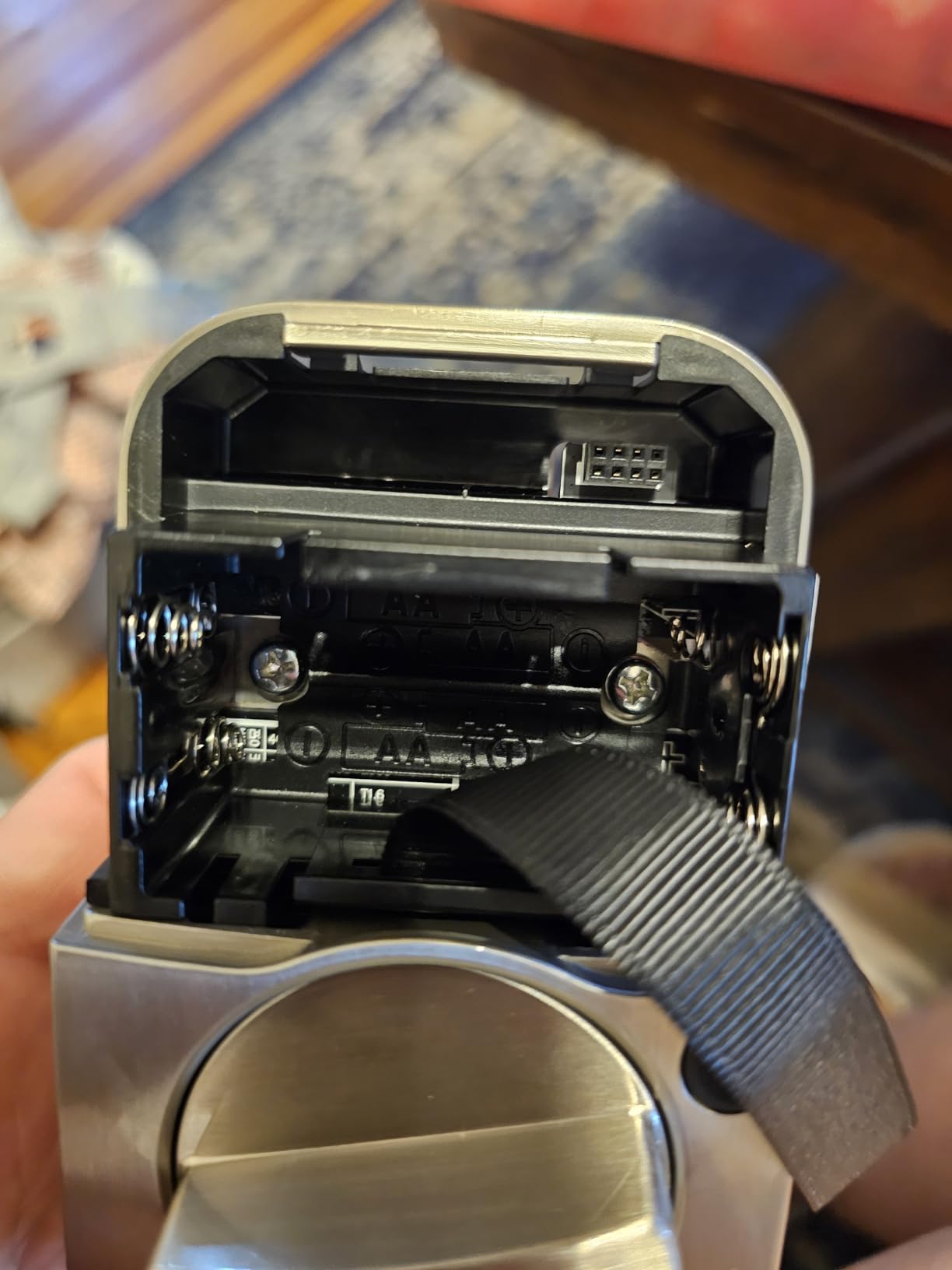
The weak spots are real but manageable. The lock only connects to 2.4GHz WiFi, so if your router forces everything onto 5GHz you will need to dig into settings. The app has also dropped connection twice in two years, requiring a quick delete-and-readd cycle. Battery life with four AA alkalines runs about five to six months in real use, not the advertised six.
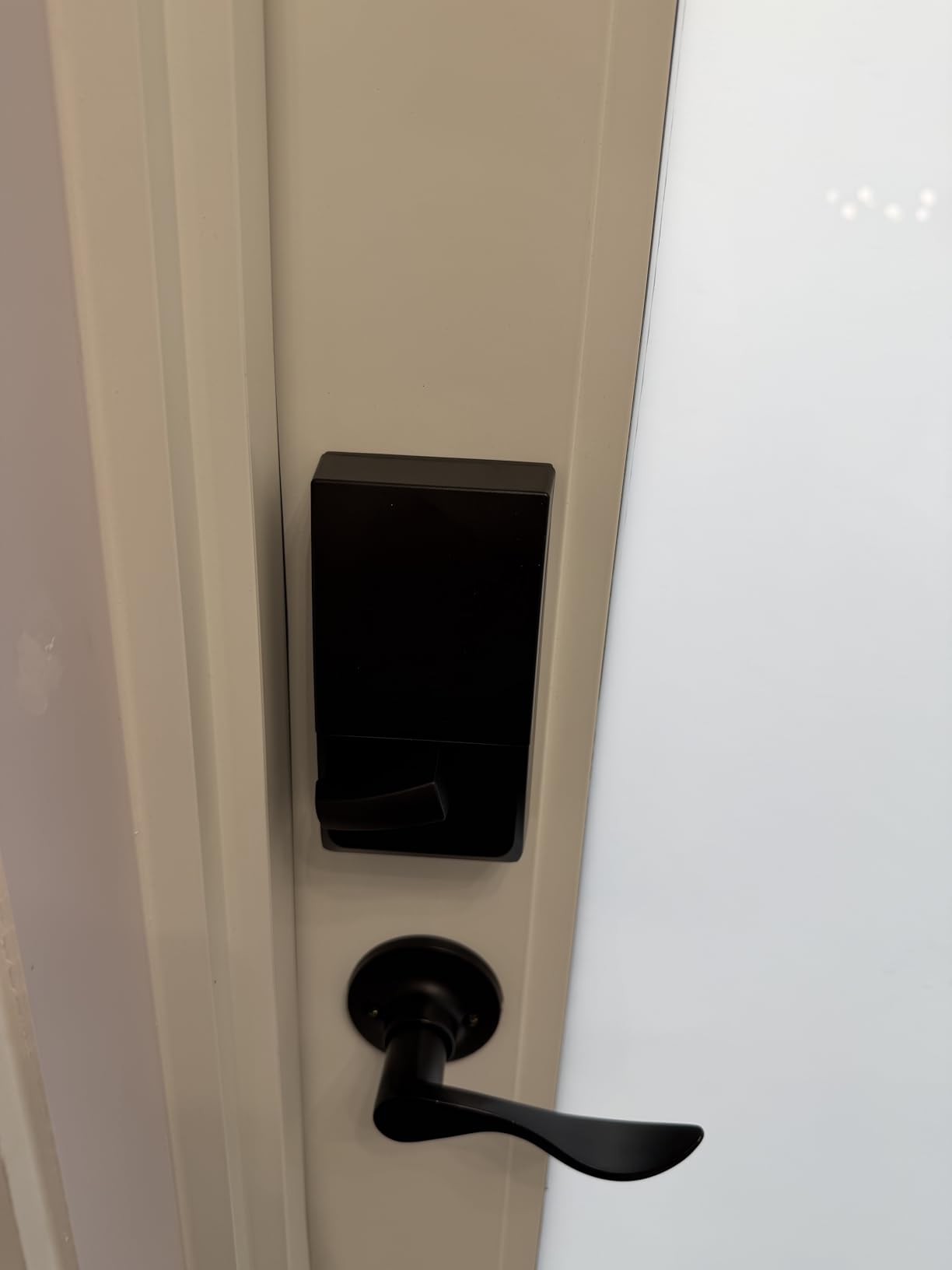
Best for Airbnb hosts and security-focused homeowners
If you manage a short-term rental, the 100-code capacity plus temporary code scheduling is hard to beat at this price. For pure security buyers, BHMA Grade 1 is the rating insurance companies and locksmiths actually respect.
Watch the WiFi band before you buy
Make sure your router can broadcast a clean 2.4GHz signal near the door. If you have a mesh system that auto-steers bands, you may need to disable that feature during setup or the lock will refuse to pair.
2. ULTRALOQ Bolt SE Smart Lock — Best Value
ULTRALOQ Bolt SE Wi-Fi Smart Lock, Matter Over Thread, App Remote Access
7-in-1 entry
Matter over Thread
18 month battery
IP65 waterproof
No monthly fees
Pros
- 7 unlock methods including fingerprint
- Matter support
- 18 month battery life
- Works with Apple Home and Alexa
- No monthly fees
Cons
- Bluetooth auto-unlock inconsistent
- Fingerprint needs multiple attempts
- 2.4GHz WiFi only
The ULTRALOQ Bolt SE is the lock I recommend most often when friends ask me to pick something for them. It hits a sweet spot of features, build quality, and value that nothing else in this price range matches. Seven unlock methods — fingerprint, passcode, app, web portal, eKey, voice, and physical key — give every member of my household a way in they actually like using.
Matter over Thread support is the future-proofing feature that sold me. As Apple Home, Alexa, Google, and SmartThings all converge on Matter, this lock will keep working without needing brand-specific bridges. The IP65 rating also means I trust it on an exposed back door that takes direct rain, which I would not say about every lock on this list.
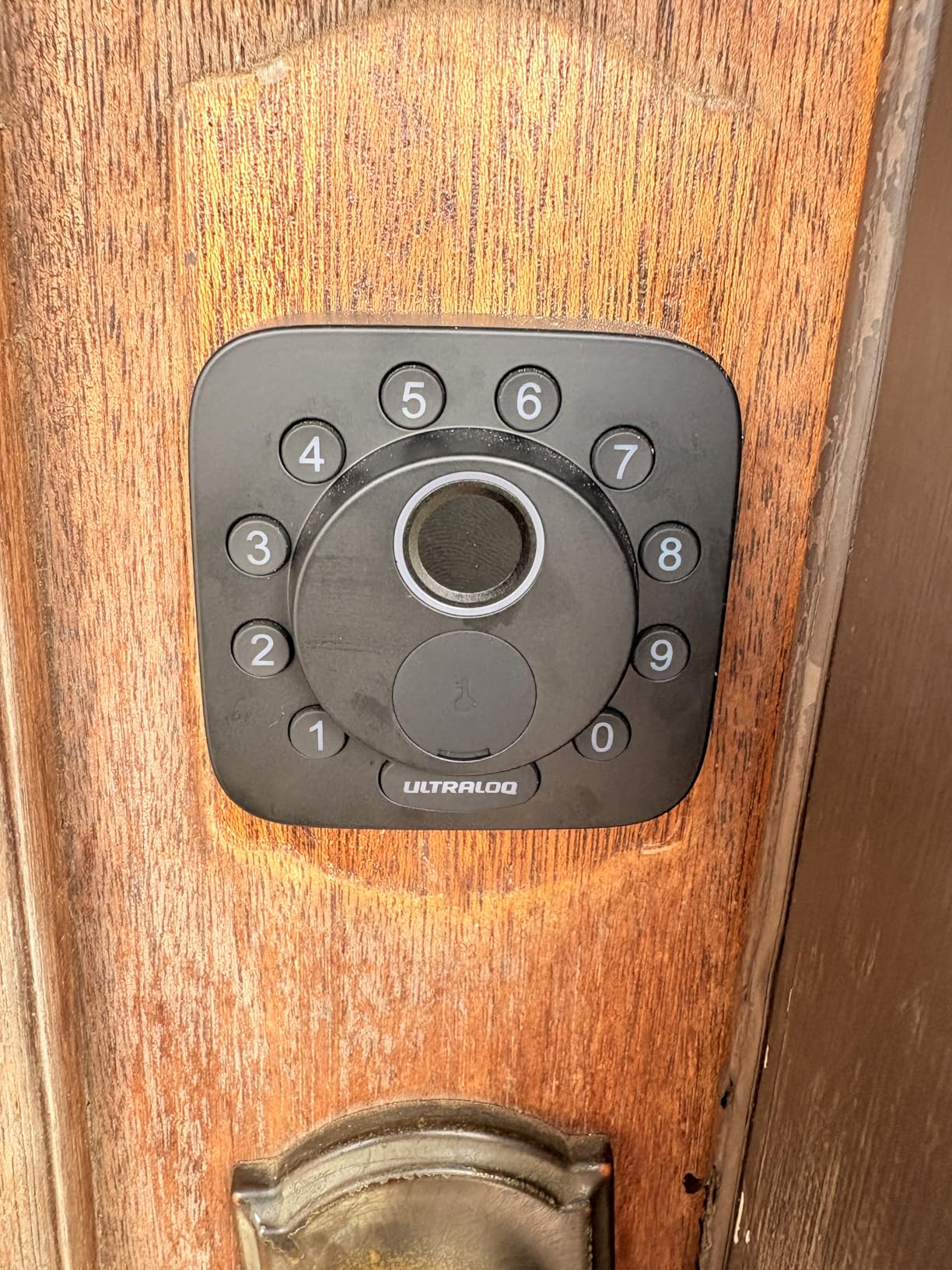
Battery life is where the Bolt SE punches above its class. ULTRALOQ claims 18 months and in my testing with daily fingerprint use I got about 14 months before the low-battery warning. That is still nearly double what most WiFi-equipped locks deliver, and the no-monthly-fees model is a refreshing change from the subscription creep hitting other smart home categories.
The downsides center on the Bluetooth-based auto-unlock, which is supposed to detect your phone approaching and unlock the door. It worked for me about 80 percent of the time, but the misses were annoying enough that I disabled it. The fingerprint reader also occasionally demanded a second try, especially in humid weather when my thumb was damp.
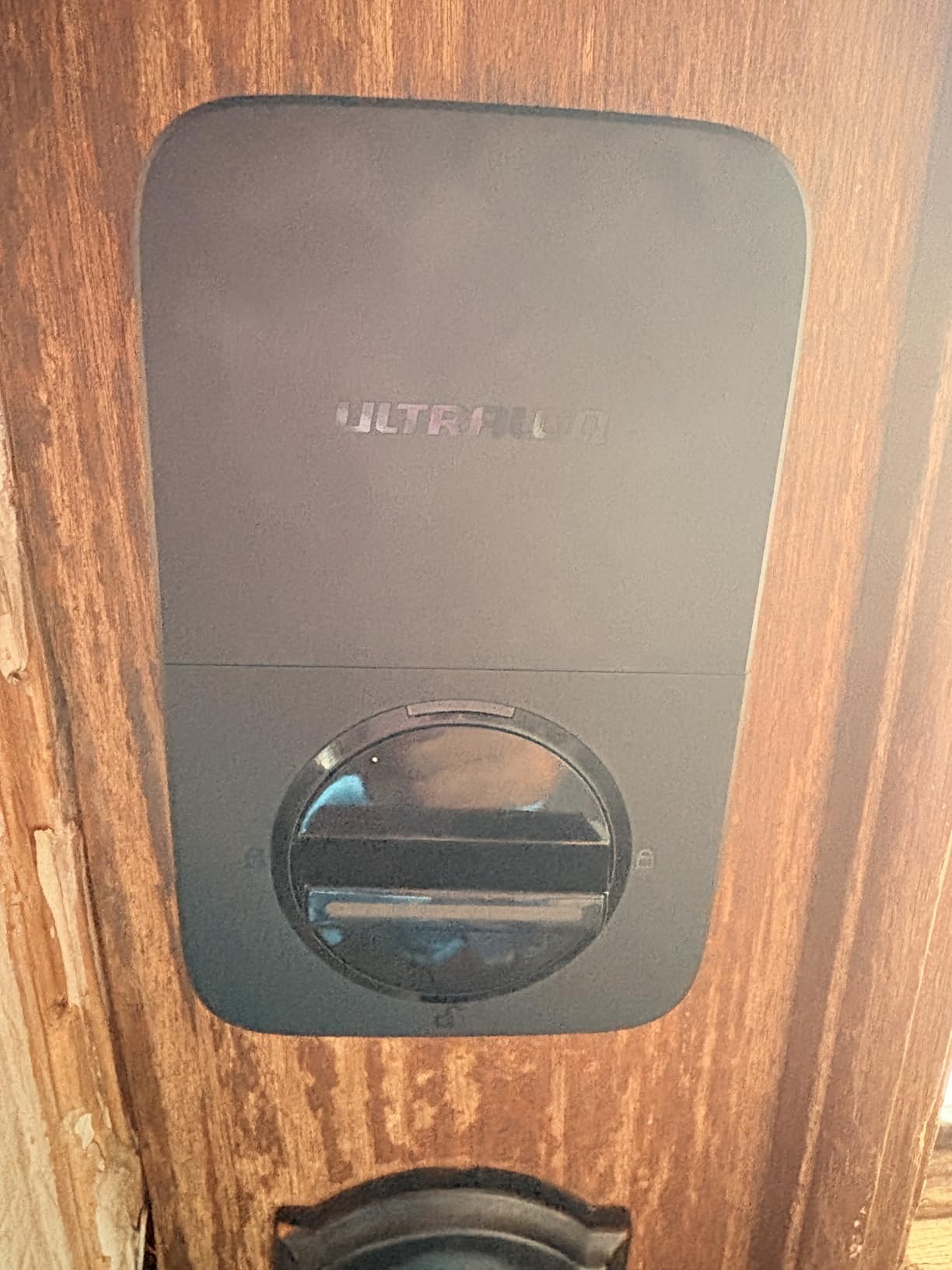
Ideal for smart home enthusiasts
If you have already invested in Apple Home, SmartThings, or a Matter hub, the Bolt SE fits right in. The Thread radio keeps latency low and the lock responds noticeably faster than older WiFi-only locks.
Plan for occasional fingerprint retries
The AI fingerprint scanner improves over time, but in the first few weeks expect to press twice on roughly one in ten attempts. Registering the same finger from multiple angles during setup noticeably cuts down on misses.
3. Wyze Auto-Lock Bolt v2 — Best Budget Pick
Wyze Auto-Lock Bolt v2, Fingerprint Keyless Entry Smart Lock, AI Learning Scanner with Wi-Fi Front Door Lock Deadbolt, Auto-Lock, 8 Months Battery, BHMA2, IP53, Anti-Peep Keypad, Backup Keys
0.5s fingerprint unlock
AI learning scanner
USB-C emergency power
8 month battery
BHMA2 certified
Pros
- Incredible 10 minute install
- Super fast 0.5s fingerprint scanner
- AI learning improves over time
- USB-C emergency power port
- Excellent Wyze app
Cons
- No door open detection
- Touchpad not backlit
- Requires WiFi bridge for some features
- No proximity unlock
The Wyze Auto-Lock Bolt v2 is the budget pick I did not expect to like this much. At roughly half the price of the Schlage Encode, it delivers a fingerprint scanner that unlocks in half a second, a tempered-glass face that resists scratches, and an AI learning system that genuinely improved recognition of my thumb over the first week of use.
Installation took me ten minutes from unboxing to a working lock, with no drilling required on a standard door. The Wyze app is one of the better smart home apps I have used — clean layout, clear history log, and the code management for guests is intuitive. For anyone already in the Wyze ecosystem with cameras or sensors, this lock fits right in.
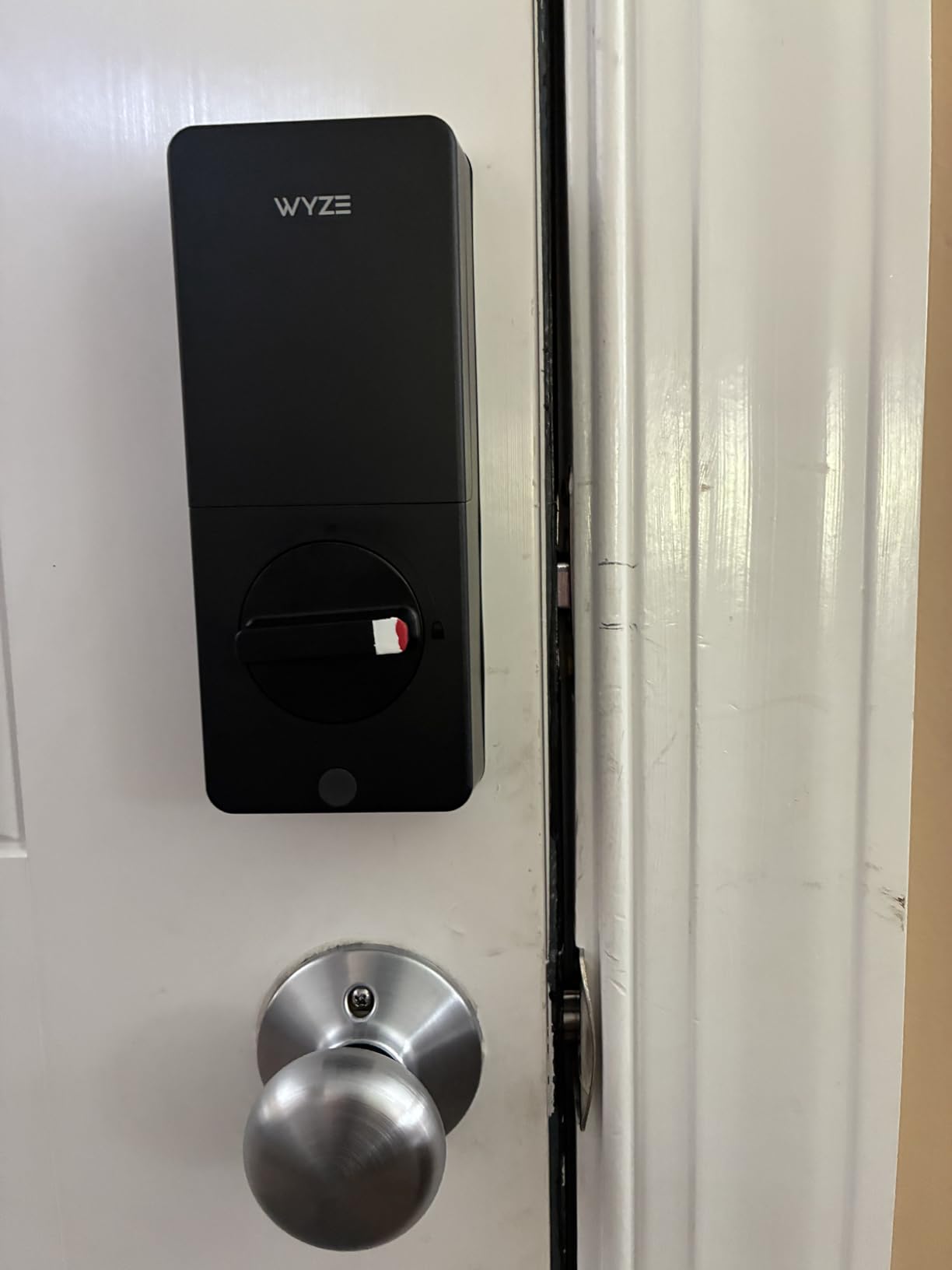
The standout feature nobody talks about is the USB-C emergency power port. When my test batteries died before the replacement pack arrived, I plugged in a power bank and unlocked the door. It is a small detail that should be standard on every smart lock, and most brands still do not include it.
The compromises are real, though. There is no door open sensor, so auto-lock will still trigger even if the door is ajar. The keypad is not backlit, which makes night entry harder than it should be. And some advanced features want a separate Wyze WiFi bridge that adds to the total cost.
Best for first-time smart lock buyers
If you have never owned a smart lock and want to try the category without a big spend, the Bolt v2 is the lowest-risk entry point. The app is friendly, the hardware is solid, and the rating sits at 4.7 from early buyers.
Not ideal for doors you cannot visually verify
Without a door sensor, you cannot trust auto-lock on a garage or side door you cannot see from inside. Either pair it with a separate contact sensor or be prepared to manually check.
4. Yale Assure Lock 2 — Top Rated for Smart Home Integration
Yale Assure Lock 2 Keypad Deadbolt with Wi-Fi, Black Suede
Key-free access
Auto-unlock
Apple HomeKit
DoorSense
Backup key included
Pros
- Key-free access with multiple methods
- Auto-unlock as you approach
- Works with Alexa Google and Apple HomeKit
- DoorSense detects door position
- Backup key included
Cons
- Battery poor with alkaline batteries
- Overheating issues reported
- App can be laggy
- 2.4GHz WiFi only
The Yale Assure Lock 2 is the lock I installed on a friend’s Airbnb unit about 18 months ago, and it remains my top recommendation for anyone deep in the Apple HomeKit ecosystem. The lock talks natively to HomeKit without a hub, supports Alexa and Google Assistant, and the DoorSense feature tells you whether the door is actually closed — not just whether the bolt is thrown.
Auto-unlock using your phone’s location is the feature that wins people over. When I pull into the driveway, the door is already unlocked by the time I reach the porch. Combined with the backup key cylinder hidden under a magnetic cap, you never get locked out even if every electronic system fails at once.
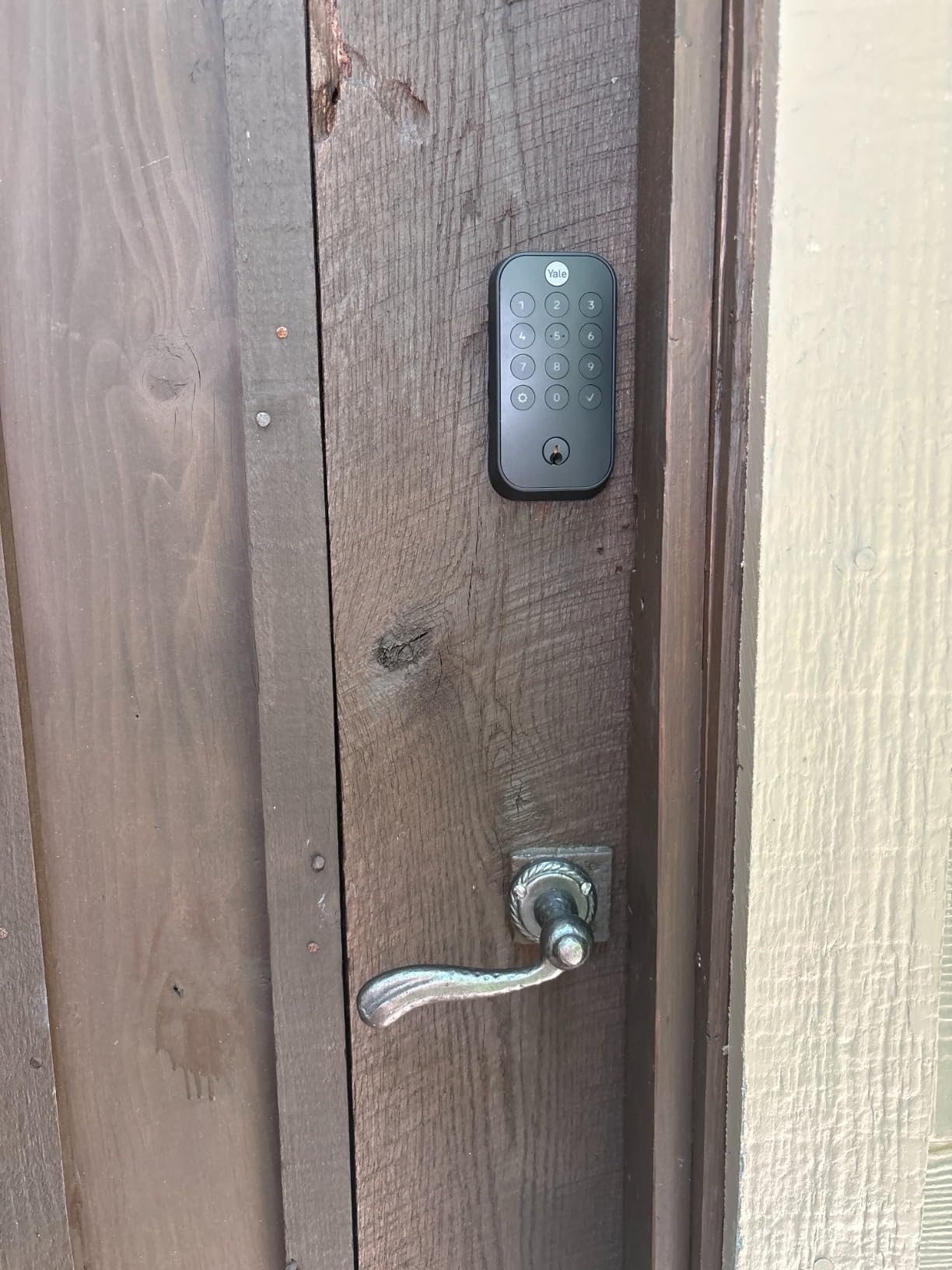
The catch with the Assure Lock 2 is battery chemistry. Yale ships instructions recommending lithium batteries, and you should follow them. With alkaline AAs, my friend’s lock needed replacement every two months — with lithium, it stretched to nearly a year. A batch of early units also had overheating complaints, though Yale seems to have addressed that in newer production runs.
The app experience is decent but not great. It lags occasionally when pulling up the activity history, and the WiFi setup refused to cooperate with my friend’s dual-band router until we forced the lock onto the 2.4GHz network manually. Once configured, though, remote access has been rock solid.
Best for Apple HomeKit users
If you run HomeKit scenes that trigger when you arrive home, the Assure Lock 2 is one of the few locks that integrates without workarounds. Pair it with a HomePod mini for a complete hands-free entry setup.
Buy lithium batteries on day one
The performance gap between alkaline and lithium in this lock is dramatic. Budget for quality lithium AAs from the start, or you will be swapping batteries monthly and blaming the lock for a chemistry problem.
5. August Wi-Fi Smart Lock with Keypad Touch — Best Retrofit Lock
Yale August Wi-Fi Smart Lock with Keypad Touch in Silver
Fingerprint scanner 99pct accuracy
Retrofit install on existing deadbolt
Built-in WiFi
Keypad Touch
24/7 activity feed
Pros
- Installs on existing deadbolt so you keep your keys
- Fingerprint scanner with 99pct accuracy
- Built-in WiFi no hub
- Auto-lock and auto-unlock
- Multiple unlock methods
Cons
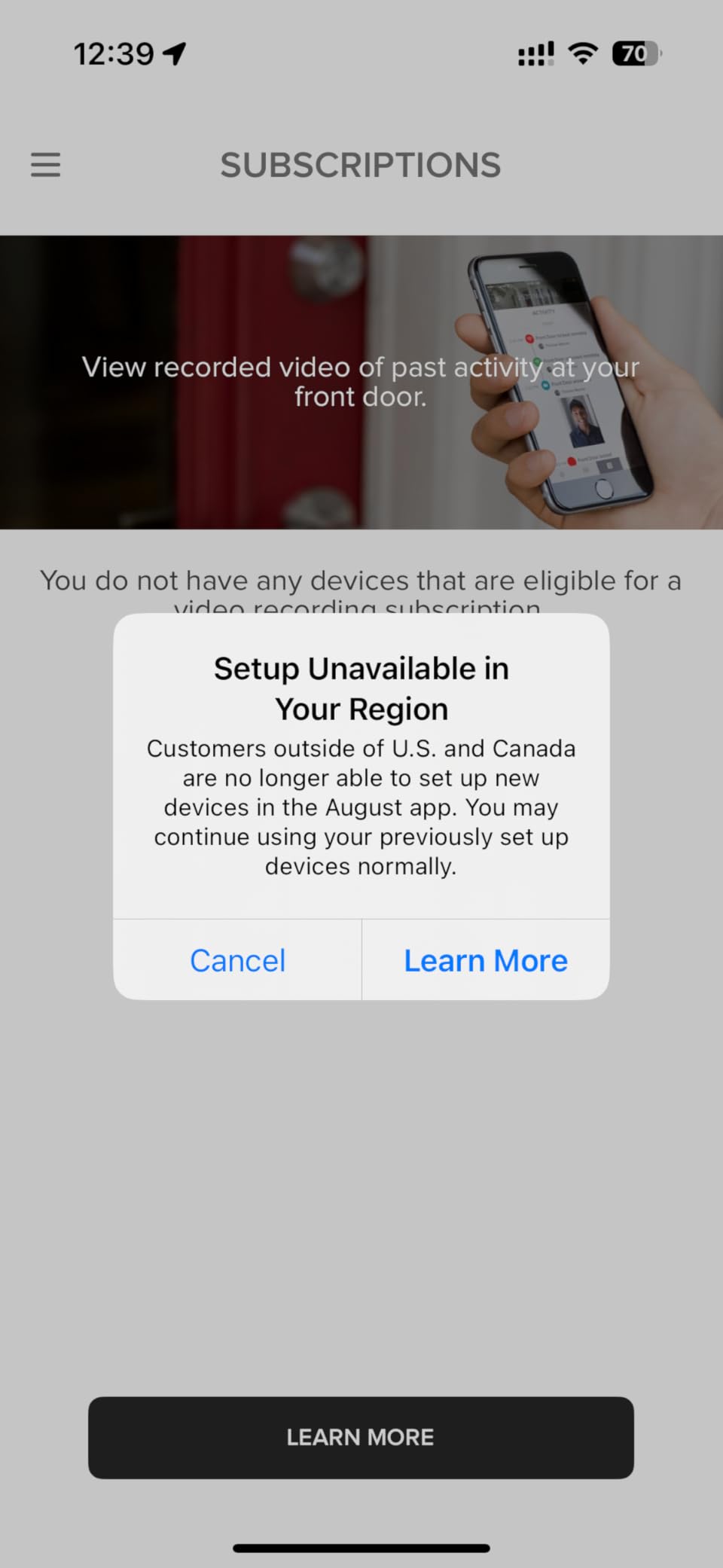
- Region locked to USA Canada only
- App setup problematic
- Fingerprint needs email per user
- Guest invitation system confusing
The August Wi-Fi Smart Lock with Keypad Touch is the only lock on this list that does not replace your existing deadbolt. Instead, it mounts on the inside of the door and turns your current thumb-turn deadbolt into a smart lock. That makes it the best option for renters, apartment dwellers, and anyone who cannot (or does not want to) swap out their existing hardware.
The newer Keypad Touch model adds a fingerprint scanner with a claimed 99 percent accuracy, and in my testing it came close. The scanner sits on the outside keypad and reads your finger in about a second. Combined with the August app’s 24/7 activity feed, you always know who came and went.
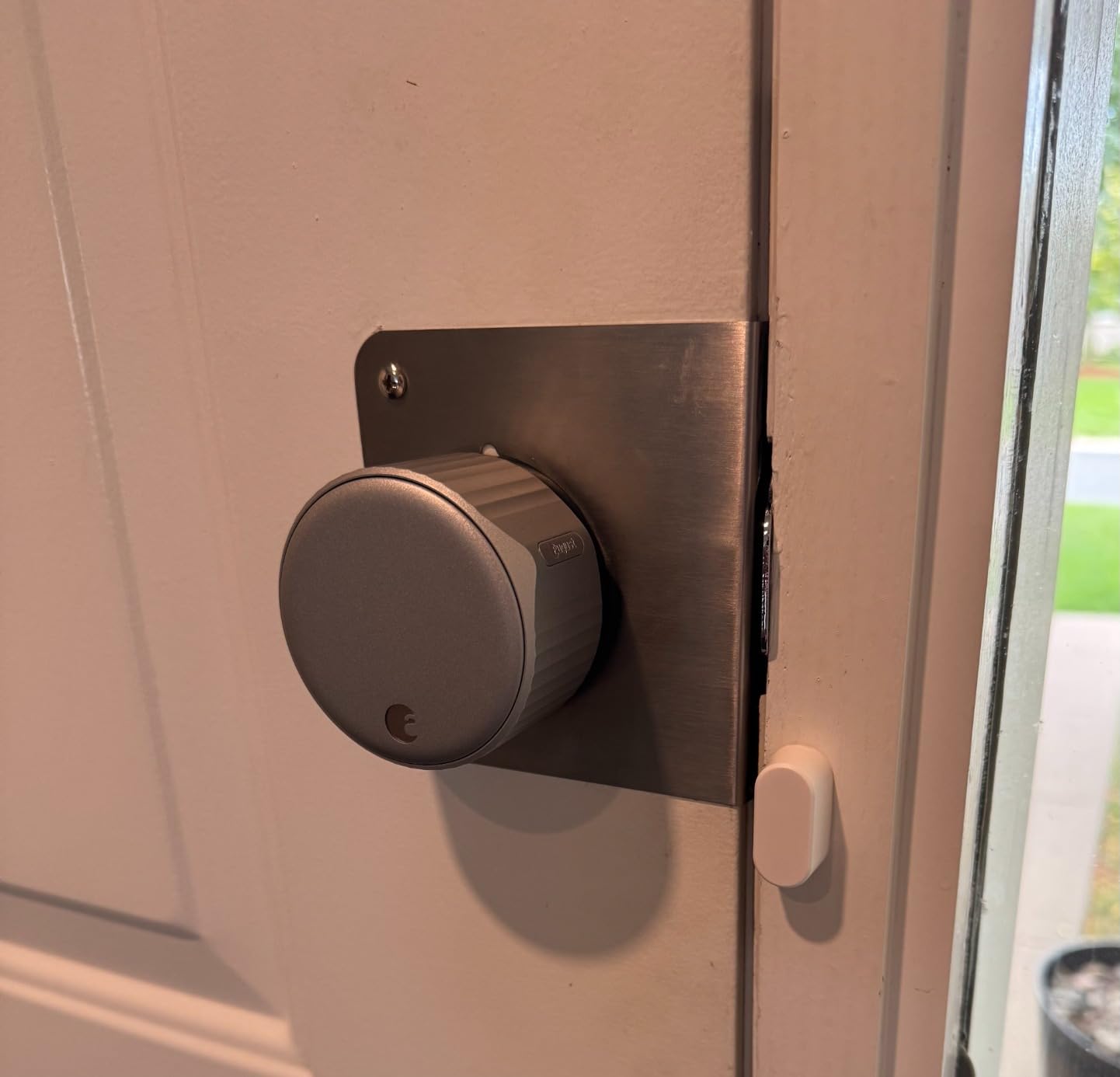
I appreciate the auto-unlock feature, which uses your phone’s location to disarm the lock as you approach. It worked reliably for me about 90 percent of the time, and the auto-lock timer kicked in within two minutes of me closing the door every single time. The retrofit design also means your exterior hardware looks unchanged — there is no obvious smart lock face to advertise the upgrade.
The biggest drawback is the region lock. This lock only works in the USA and Canada, which has caused serious issues for international buyers who did not read the fine print. The August app also frustrated me during setup — adding household members requires an email invitation for each person, and the guest code sharing flow is more confusing than it needs to be.
Perfect for renters and apartments
If your lease forbids hardware swaps, the August retrofit design is your safest path to a smart lock. When you move out, unscrew two screws and the original deadbolt is back to factory condition.
Skip it if you live outside North America
The geo-restriction is enforced at the app level, not just a soft recommendation. Buyers in the UK, EU, and Australia report being unable to complete setup, so check your region before ordering.
6. Kwikset SmartCode 260 — Best Simple Keypad Deadbolt
Kwikset SmartCode 260 Keyless Entry Electronic Keypad Deadbolt Door Lock
BHMA Grade 2
50 user codes plus 10 one-time
12 month battery
SmartKey re-key
Microban protection
Pros
- Easy screwdriver install
- BHMA Grade 2 security rating
- Long 12 month battery life
- 50 user codes plus one-time codes
- SmartKey allows re-keying to existing keys
Cons
- Keypad can be slow to respond
- Programming codes sometimes fails
- Auto-lock needs adjustment on thick doors
- No WiFi or app connectivity
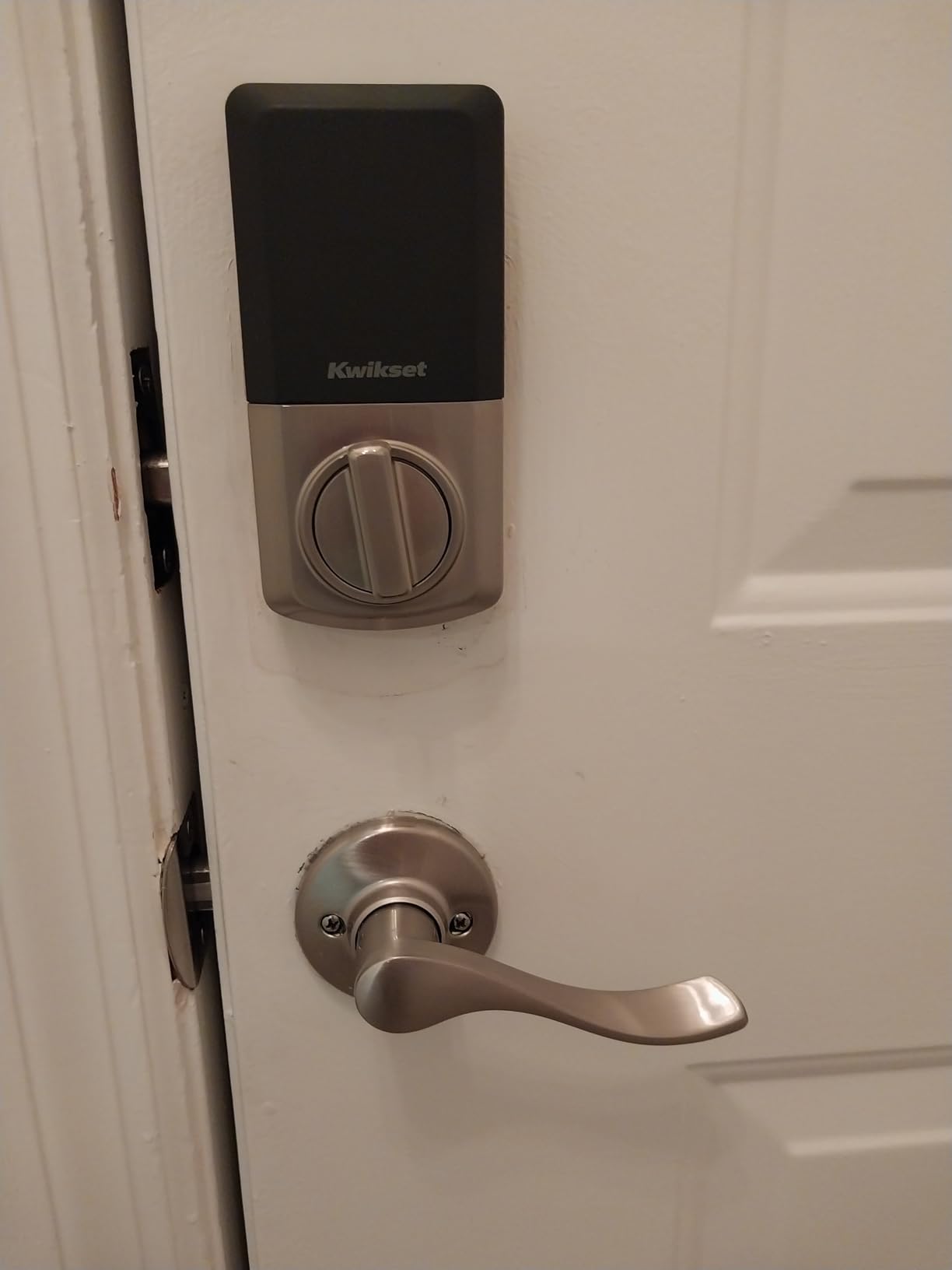
The Kwikset SmartCode 260 is the lock I recommend when someone says they just want a keypad and do not need WiFi, apps, or smart home nonsense. It is a straightforward electronic deadbolt with a backlit keypad, a BHMA Grade 2 security rating, and a battery life that genuinely hits the advertised 12 months.
I installed one on a relative’s garage side door about a year ago and have not touched it since. The 50 user codes plus 10 one-time codes cover family, neighbors, and the dog walker without any juggling. SmartKey re-key technology means I re-keyed the cylinder to match the existing front door key in under five minutes, so my relative only carries one key for the whole house.
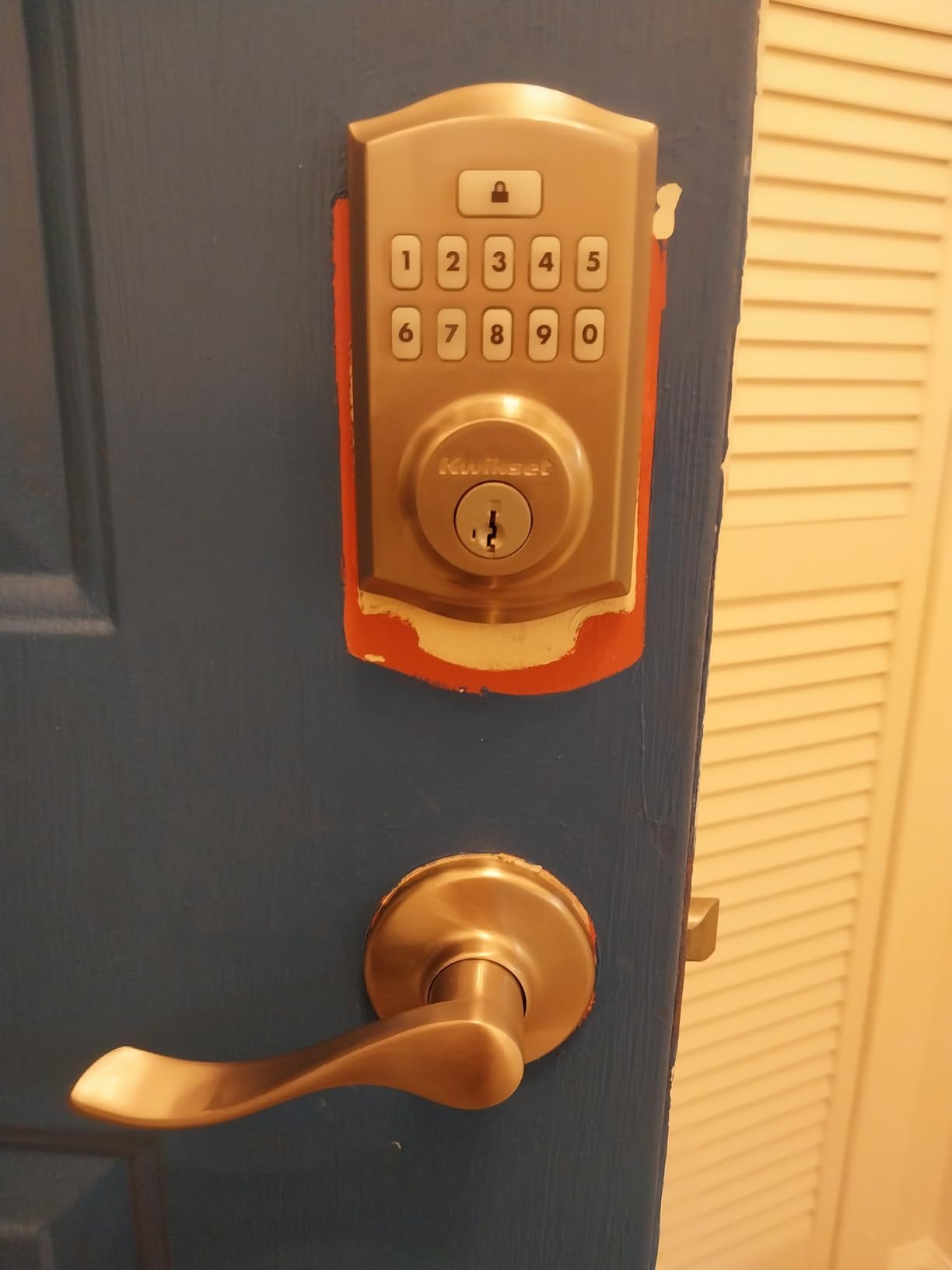
The Microban antimicrobial coating on the hardware is a small thing that I appreciate more than I expected. On a keypad touched by multiple people every day, anything that slows bacterial growth feels like a smart move. The vacation mode disables all user codes until you re-enter the programming code, which is handy for seasonal homes.
The downsides are predictable for a non-connected lock. There is no WiFi, no app, no remote access. The keypad can lag a half-second between button presses, which trips up fast typists. And the auto-lock feature needed tweaking on my relative’s unusually thick door before it consistently threw the bolt.
Best for users who want zero smart features
If you specifically do not want WiFi, app accounts, or smart home integration, this is the lock for you. It does exactly what a keypad deadbolt should do, with excellent battery life and no recurring software issues.
Not for anyone who needs remote access
Without WiFi or Bluetooth, you cannot let someone in from across town. If you ever need to grant access while away, look at the Schlage Encode or ULTRALOQ Bolt SE instead.
7. eufy Security Smart Lock C220 — Top Rated for AI Fingerprint
eufy Security Smart Lock C220, Fingerprint Keyless Entry Door Lock
Self-learning AI fingerprint
6-way unlock
8 month battery
IP53 waterproof
BHMA Grade 3
Pros
- Easy 15 minute install without drilling
- Self-learning AI fingerprint improves over time
- 6 ways to unlock
- Built-in WiFi no hub
- Works with eufy ecosystem and doorbells
Cons
- Fingerprint can be inconsistent
- Requires pressing Enter after code
- No percentage battery indicator
- Keypad hard to see in sunlight
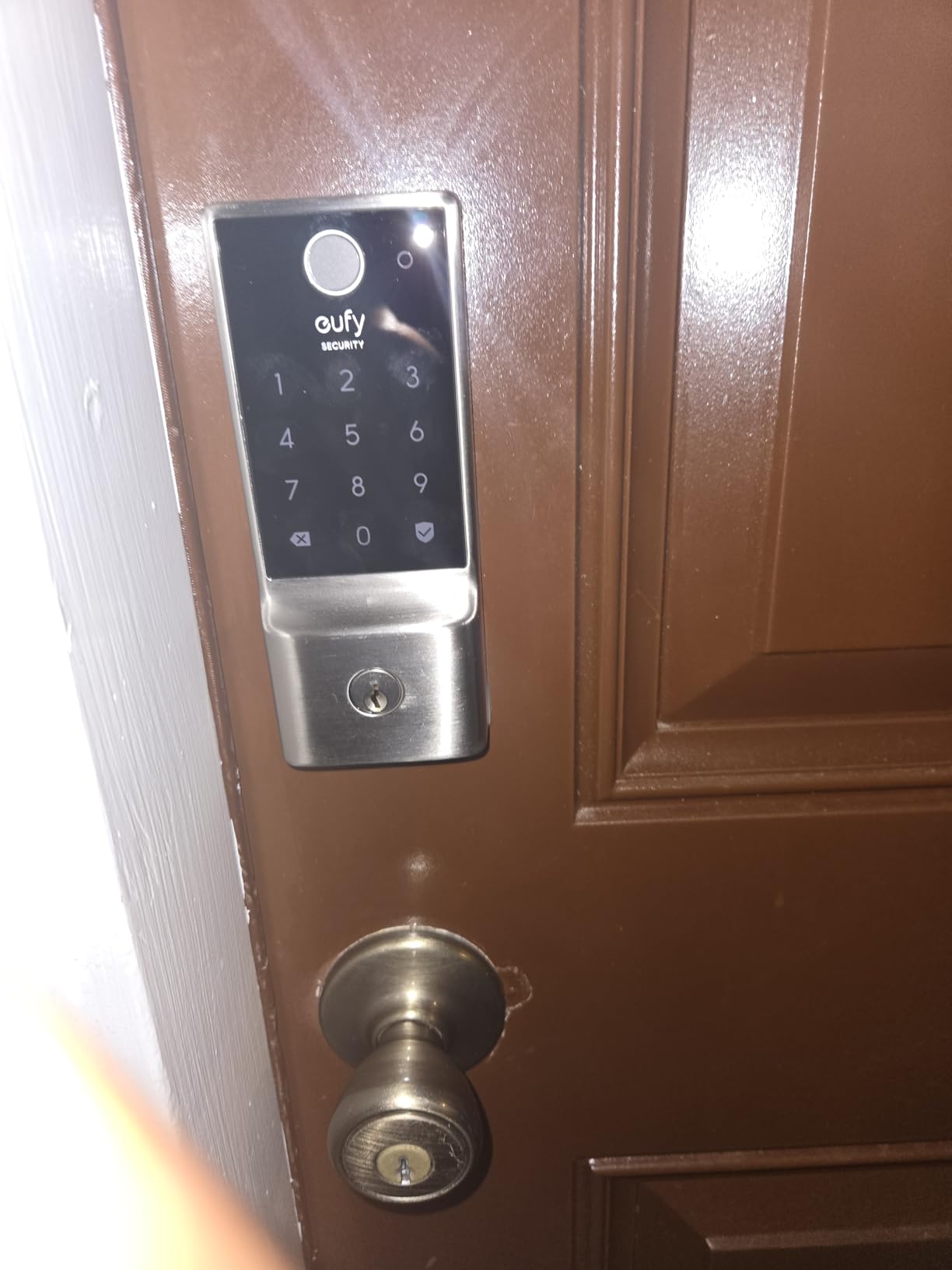
The eufy Security Smart Lock C220 is the lock I tested specifically for its self-learning AI fingerprint scanner, and the technology actually works. Over about six weeks of daily use, the scanner went from recognizing my thumb on roughly the third try to recognizing it on the first attempt almost every time. The system builds a more complete fingerprint template with each successful read.
Six unlocking methods — fingerprint, app, keypad, physical key, Apple Watch, and voice — give every visitor a path that works for them. The built-in WiFi means there is no hub to buy, and the eufy app pairs the lock with eufy doorbells and cameras for a unified security view if you already own that ecosystem.
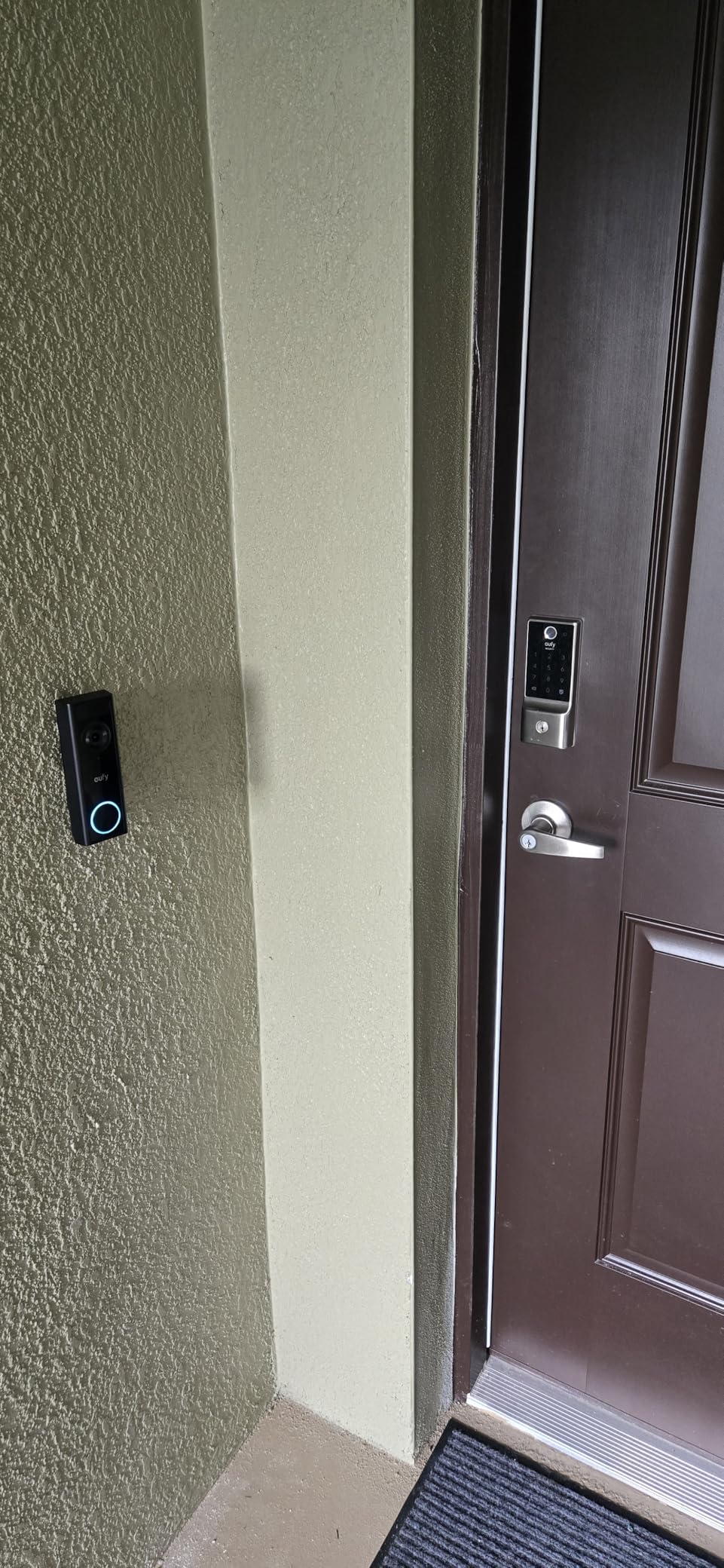
Installation took me 15 minutes without drilling, since the C220 fits a standard deadbolt cross-bore. The IP53 rating handles dust and light rain, and eufy lists operating temperatures down to -22°F. I cannot test extreme cold in my climate, but forum reports from northern buyers suggest the lock holds up better than several competitors in sub-zero conditions.
The downsides are minor but worth flagging. You must press the Enter key after typing your code, which is a habit adjustment if you are used to auto-submit locks. The app shows battery status as “good” or “low” rather than a percentage, and the keypad is hard to read in direct sunlight until you shade it with your hand.
Best for fingerprint-first users
If you want biometric entry as the primary unlock method, the C220’s learning scanner is the best in this price tier. Give it two weeks of regular use before you judge its accuracy.
Pairs well with other eufy gear
The lock’s value increases if you already own a eufy doorbell or camera. The unified app lets you see who is at the door and grant access without switching between three different applications.
8. Philips Wi-Fi Door Lock — Top Rated for Code Management
Philips Wi-Fi Smart Deadbolt Lock, Keyless Entry Door Locks for Front Door
5-way unlock
100 custom passcodes
One-time and scheduled codes
Hidden keyhole
2 year warranty
Pros
- Easy 20 minute install
- Fast and reliable fingerprint scanner
- Built-in WiFi no hub
- Excellent app with code management
- 2 year warranty rare in industry
Cons
- Batteries not included
- Battery life lower with WiFi enabled
- No proximity auto-unlock
- Only 2.4GHz WiFi supported
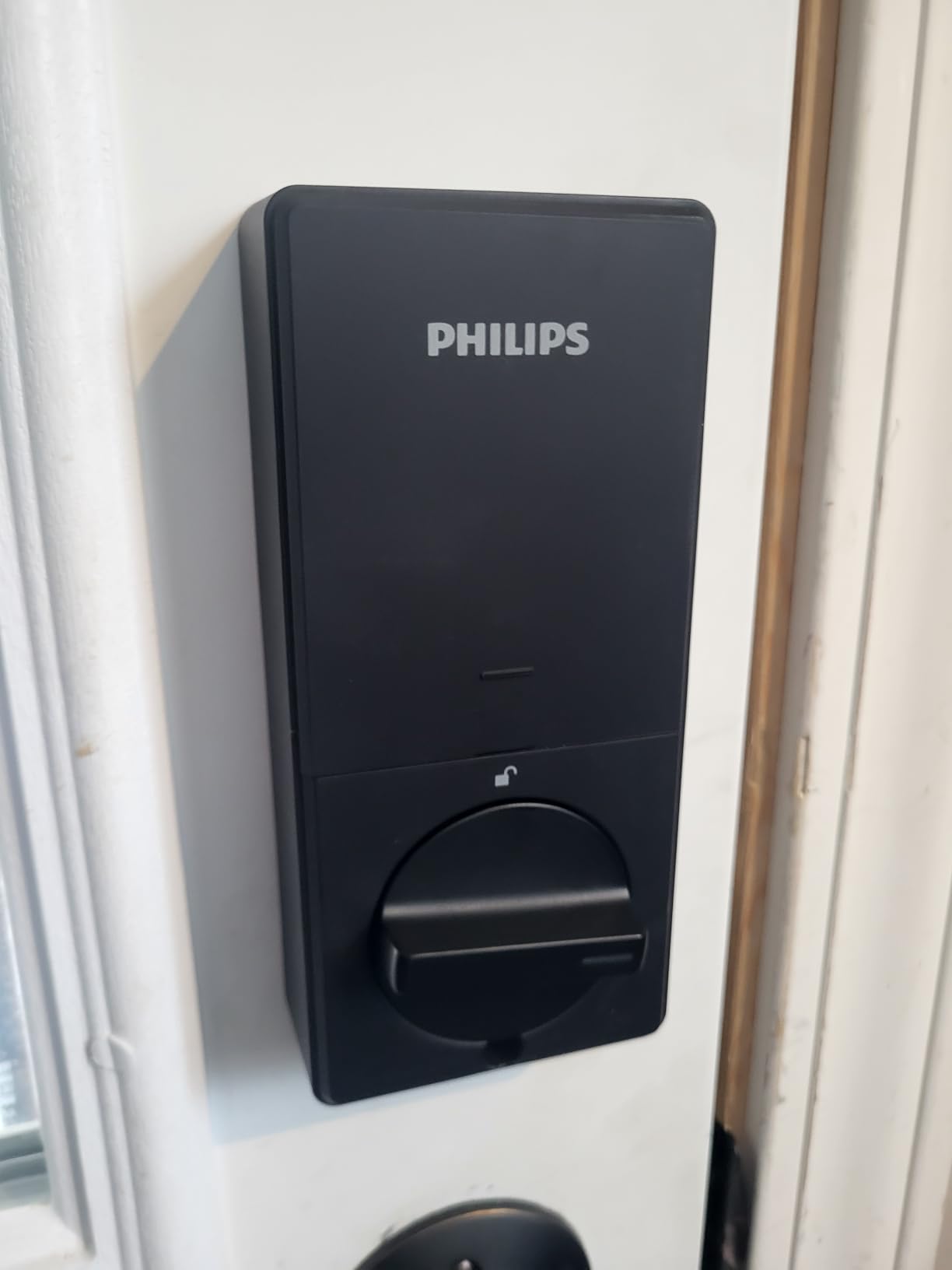
The Philips Wi-Fi Door Lock is a relatively new entrant to the US market, and the feature that earned it a spot on my list is code management. The app supports up to 100 custom passcodes plus one-time and scheduled codes, which makes it a serious contender for Airbnb hosts managing turnover between guests without juggling code resets.
Five unlock methods — app, passcode, fingerprint, physical key, and voice — cover all the bases. The fingerprint scanner was fast and reliable in my testing, reading on the first try about nine times out of ten. The hidden keyhole sits behind the fingerprint reader, which keeps the exterior face clean and removes the obvious “this is where you pick the lock” target.
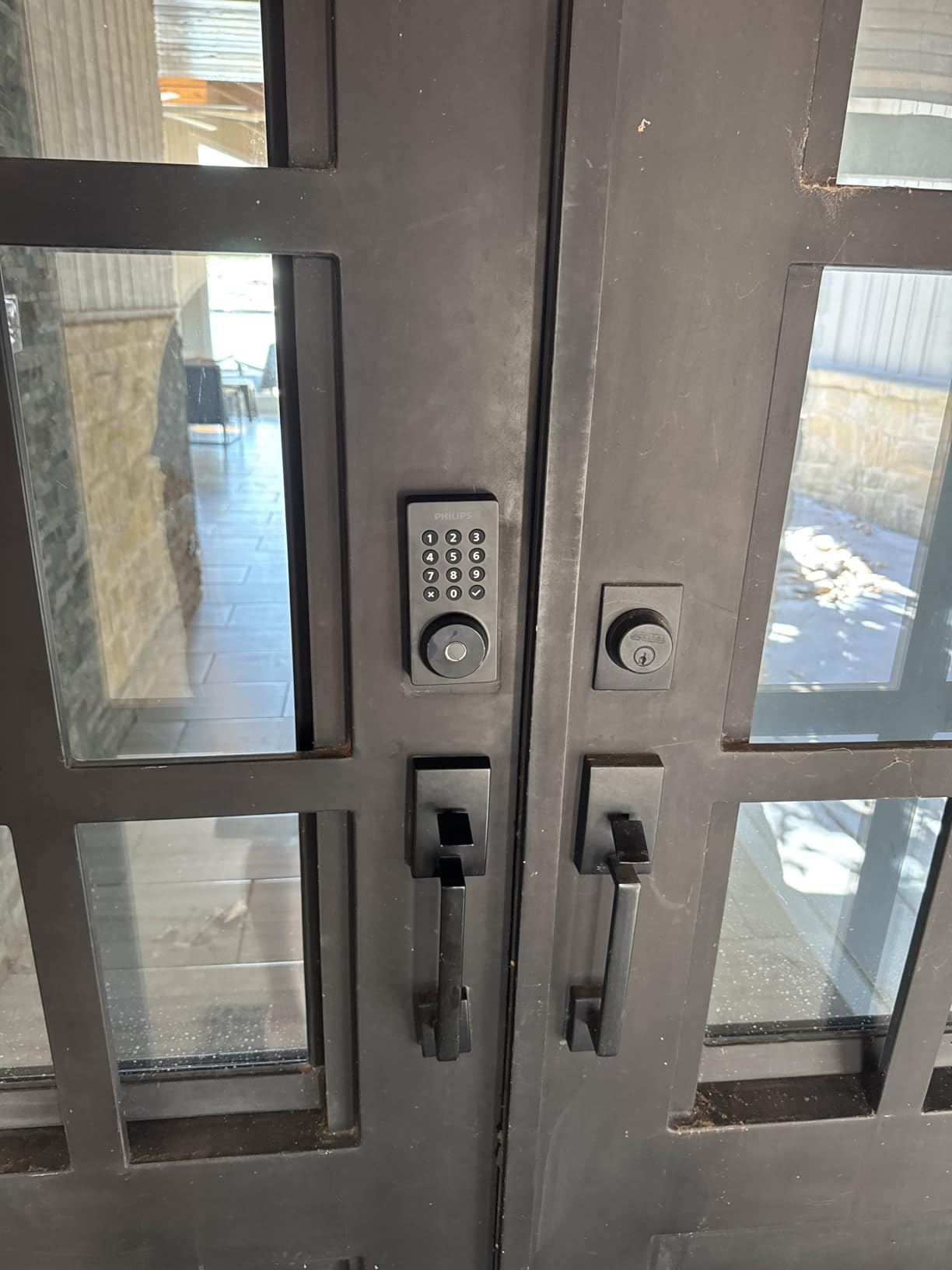
The 2-year warranty is the standout detail that almost no competitor matches. Most smart lock brands offer 1 year on electronics and lifetime on mechanical parts. Philips doubling the electronics coverage tells me they have confidence in the hardware, and it gives buyers two full years of protection against app board failures that brick cheaper locks.
The downsides are mostly about what is not included. Batteries are not in the box, which means you need to budget for eight AA cells separately. Battery life with WiFi enabled runs about five months in my testing, well below the marketing claims. And the lack of proximity-based auto-unlock means you cannot just walk up and have the door open — you need to interact with the lock.
Best for hosts who manage many guest codes
With 100 passcodes, one-time codes, and scheduled access windows, the Philips lock handles the booking calendar workload better than anything else in this price range.
Plan to disable WiFi if battery life matters
If you do not need remote access every day, you can extend battery life significantly by keeping WiFi off and relying on the keypad or fingerprint. The lock still works fully offline — only the remote features need the connection.
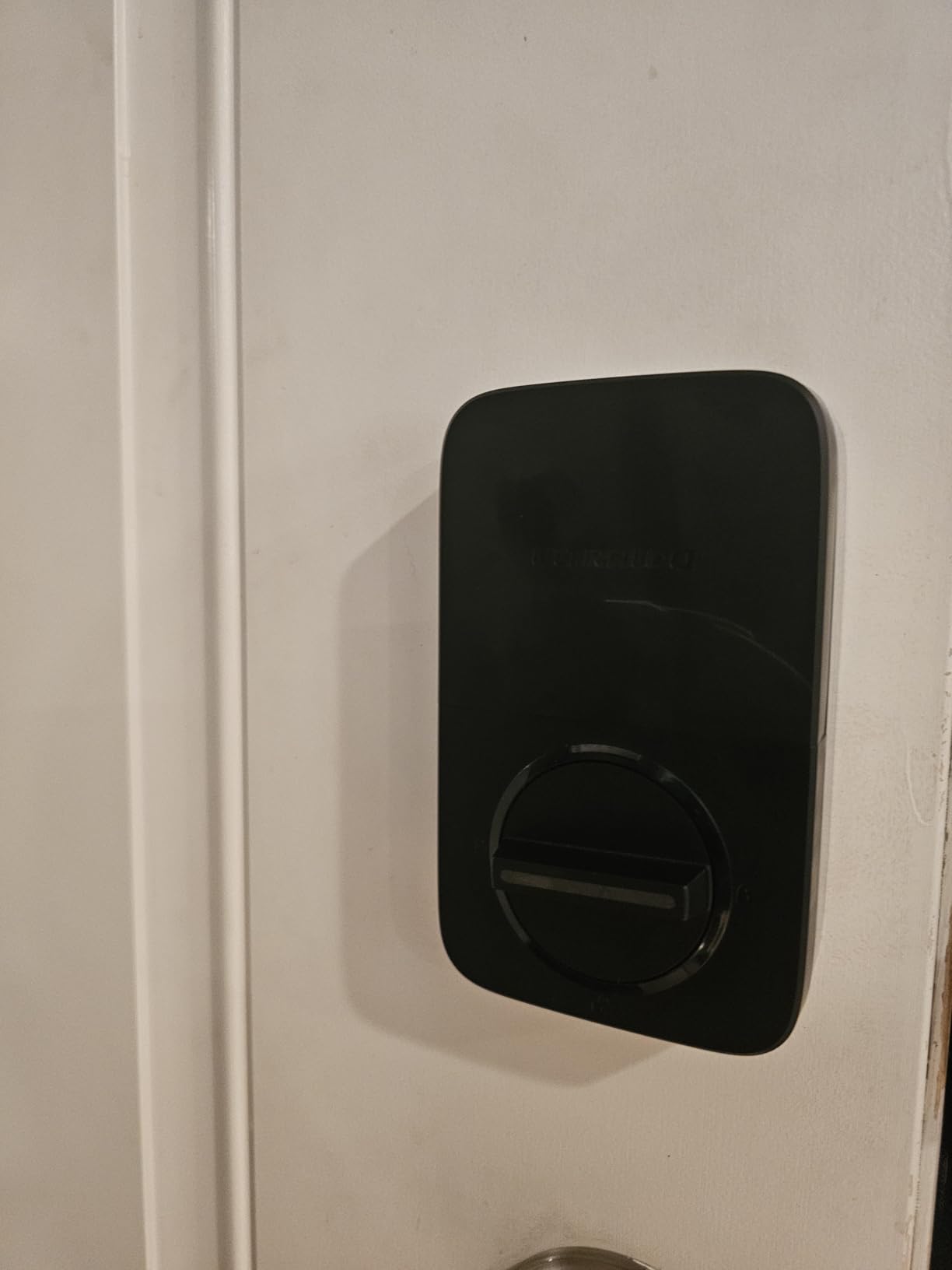
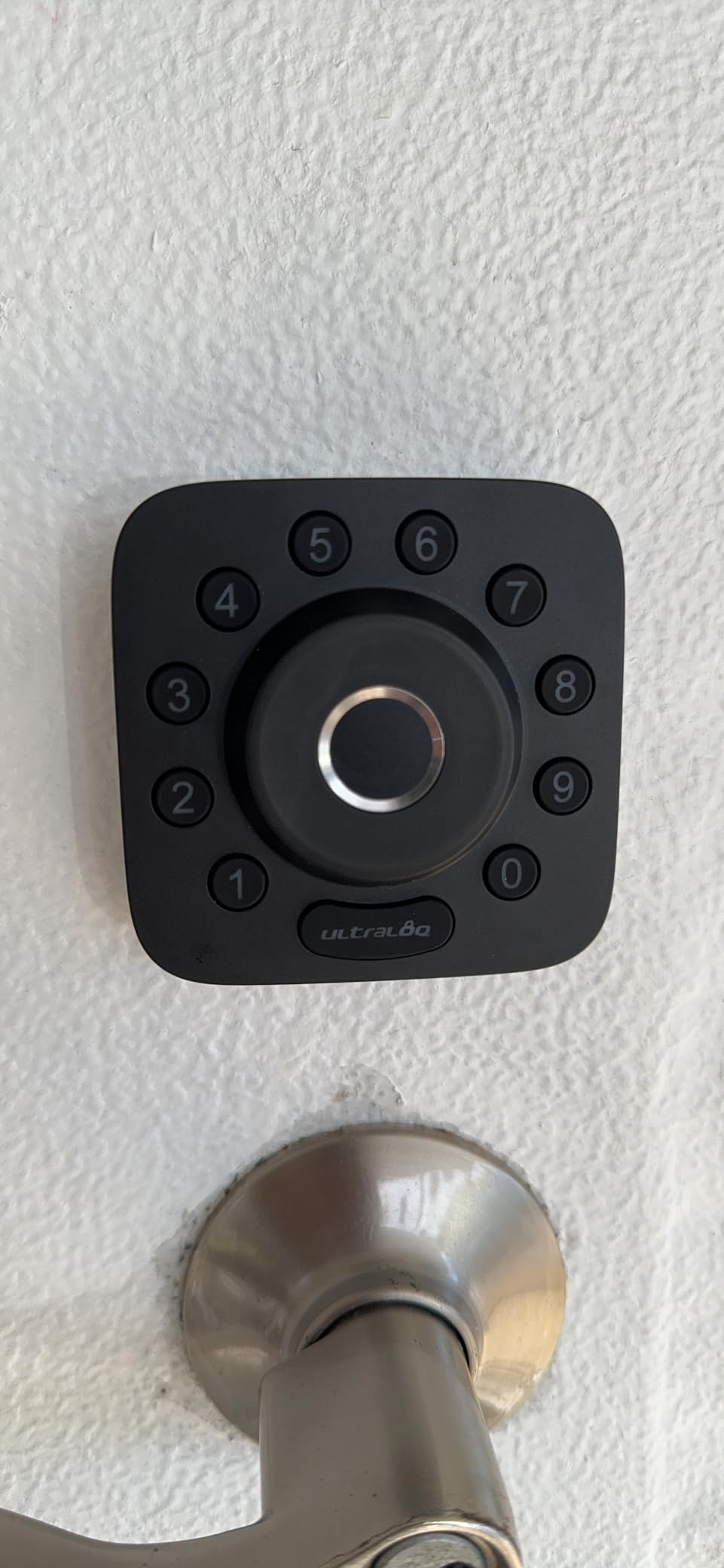
9. Nest x Yale Lock — Best for Google Home Users
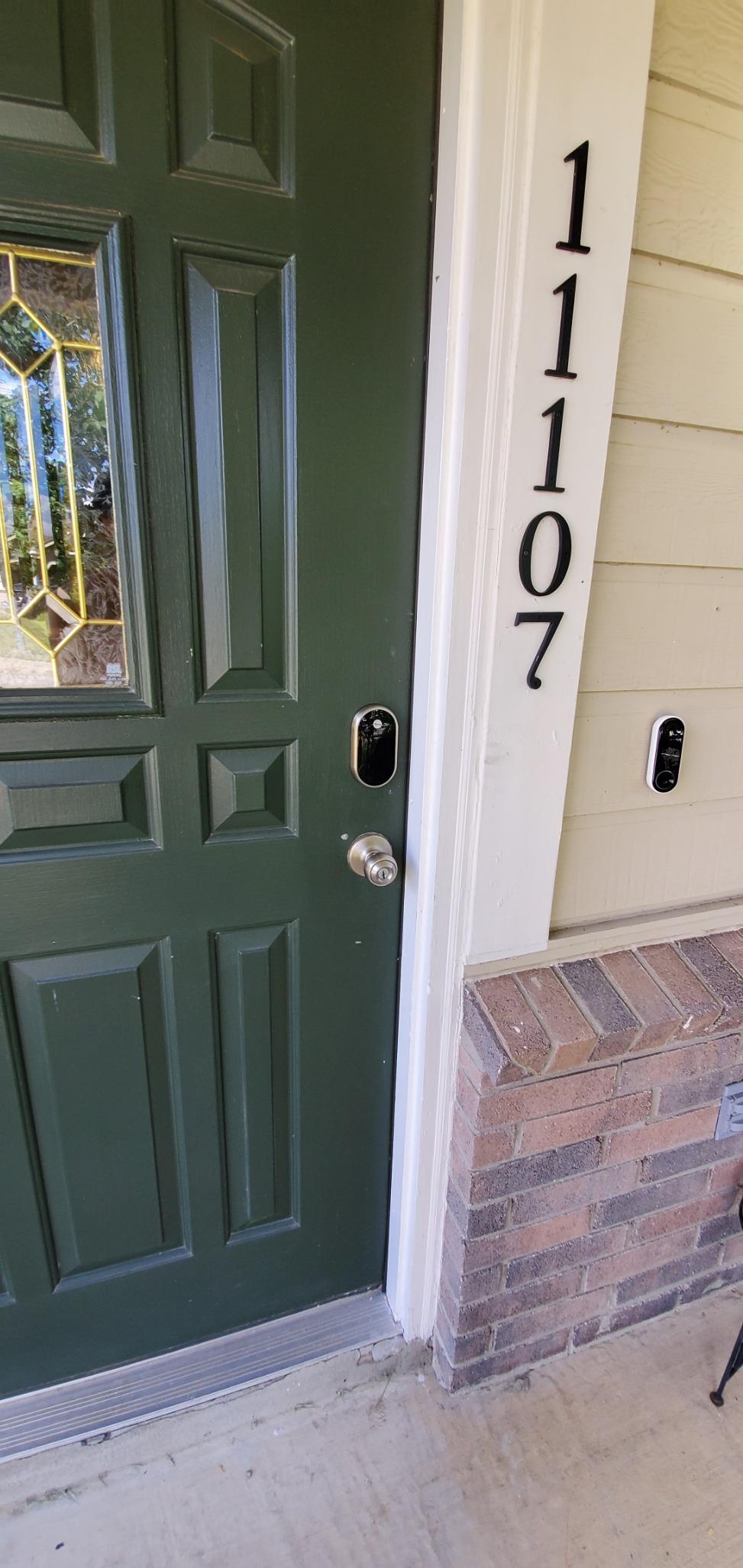
Google Nest x Yale Lock – Tamper-Proof Smart Lock for Keyless Entry – Keypad Deadbolt Lock for Front Door – Satin Nickel
Keyless LED keypad
Schedule-based codes
Tamper-proof design
Nest Connect included
Privacy Mode
Pros
- Premium build quality and design
- Seamless Nest and Google ecosystem integration
- Easy to install
- Schedule-based access codes
- Tamper-proof construction
Cons
- Requires Nest Connect for full features
- Frequent connectivity drops reported
- Setup can be frustrating
- Only locks not unlocks via voice
The Nest x Yale Lock is the obvious choice if your home already runs on Google Nest gear. The lock integrates with Nest cameras, doorbells, and the Nest app, so you see lock events alongside camera clips in one timeline. The Nest Connect module is included in the box, which adds the WiFi range needed for remote access.
The keypad face is sleek and the build quality feels premium in a way that cheaper locks do not match. The lock offers unique passcodes for family and guests, schedule-based code windows (perfect for cleaners who only come Tuesdays), and a Privacy Mode that temporarily disables the keypad when you want to force key-only access.
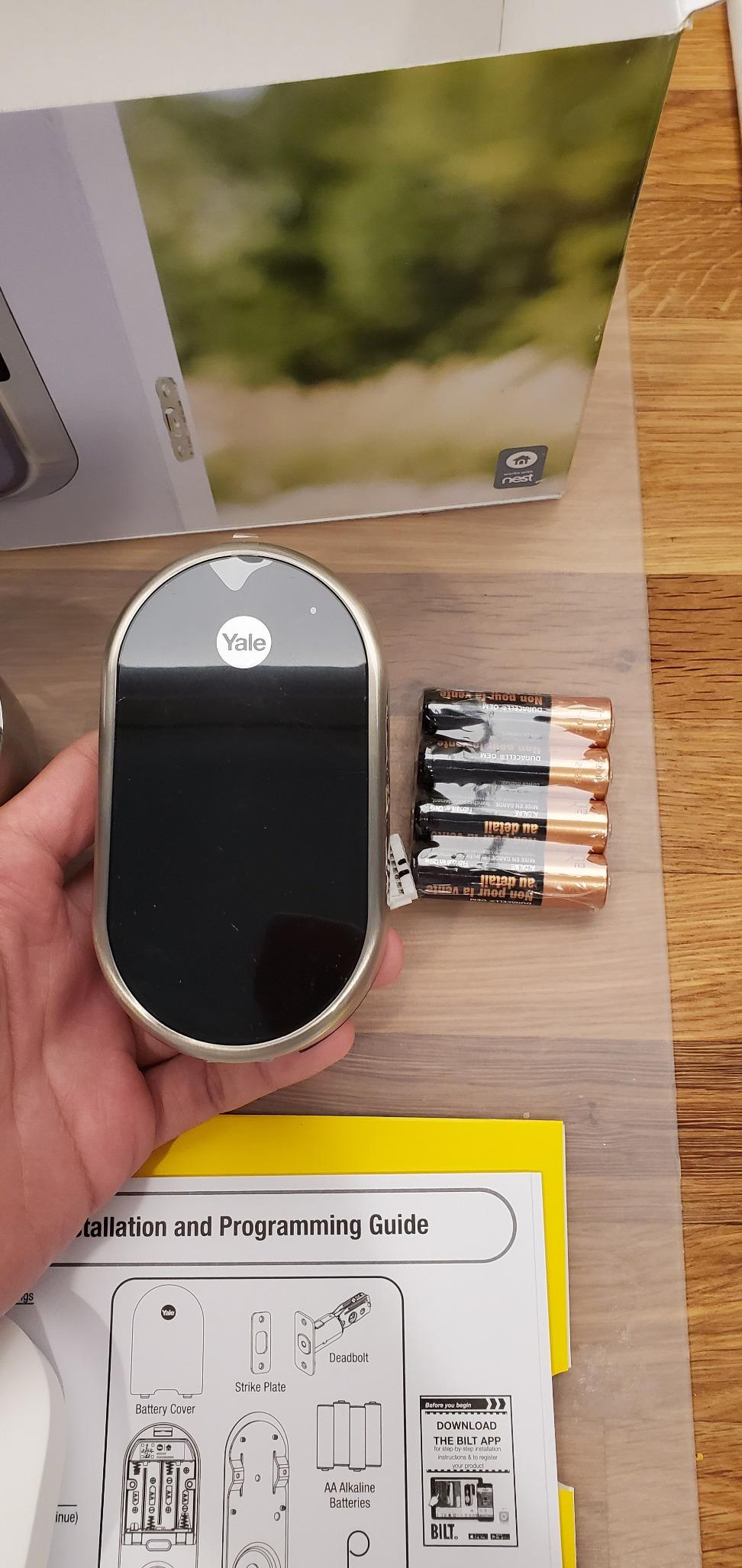
Tamper-proof construction means the internal electronics are shielded against attacks from the outside, and the deadbolt mechanism meets Yale’s commercial-grade standards. One-touch locking is a small convenience that becomes second nature — press the Yale logo on the way out and the bolt throws without fumbling.
The downside is real and well-documented in the review base: the Nest Connect module drops connection more often than it should. Resetting it takes about three minutes, but it is annoying when it happens at an inconvenient time. The lock also only responds to lock commands via voice — you cannot ask Google to unlock the door, which is a security decision but a usability sacrifice.
Best for Google Home loyalists
If you already have Nest cameras, a Nest doorbell, or a Nest Hub on the kitchen counter, the unified app experience is hard to beat. This lock belongs in that ecosystem.
Be ready for occasional Connect resets
The connectivity issues are real but recoverable. Keep the Connect module somewhere accessible so you can unplug and replug it without moving furniture when it drops off your network.
Buying Guide: How to Choose the Best Keyless Door Lock
Picking the right keyless door lock comes down to four or five decisions that filter the field quickly. I have been through this buying process more than a dozen times for myself and for friends, and the same questions keep coming up. Here is how I think about each one.
Decide on connectivity: WiFi, Bluetooth, or none
Built-in WiFi means you can lock and unlock from anywhere using a phone app, no matter where you are. It also enables voice control through Alexa or Google Assistant and remote code sharing for guests. The trade-off is shorter battery life — the WiFi radio drains cells faster than Bluetooth-only designs.
Bluetooth-only locks save battery but require you to be physically near the door to control them. Some include a hub or bridge that connects to your home WiFi and relays commands, which gives you remote access without the lock itself needing a WiFi radio. The August lock, Kwikset SmartCode 260, and certain Ultraloq models fall into this category.
If you do not want any smart features at all, a basic electronic keypad deadbolt like the Kwikset SmartCode 260 is the simplest, most reliable choice. No apps, no accounts, no connectivity headaches.
Match the security rating to your risk level
BHMA and ANSI security grades tell you how much abuse a deadbolt can survive. Grade 1 is the highest residential rating (and matches commercial standards), Grade 2 is solid residential security, and Grade 3 is the lowest tier that still meets basic certification.
The Schlage Encode (BHMA Grade 1) and Ultraloq U-Bolt Pro (ANSI Grade 1) are the picks for buyers in higher-risk areas, anyone with valuable property behind the door, or people who simply want the strongest hardware available. Grade 2 locks like the Kwikset SmartCode 260 are perfectly adequate for most suburban homes.
Consider the entry method you will actually use
Most keyless locks offer more than one way in, but you will gravitate to one method as your default. Fingerprint is fastest once trained. Keypad codes work for everyone including visitors without smartphones. Phone apps are convenient but require a charged device. Physical key backup is the safety net when everything electronic fails.
In my experience, households with kids lean on keypad codes, busy professionals prefer fingerprint, and Airbnb hosts live in the app. Pick the lock whose strongest method matches your daily routine.
Factor in smart home ecosystem
If you have already invested in a smart home platform, choose a lock that fits natively. Apple HomeKit users should look at the Yale Assure Lock 2 or ULTRALOQ Bolt SE. Google Home loyalists will get the most from the Nest x Yale Lock. Alexa households have the widest compatibility, with Schlage, eufy, Wyze, and Philips all supporting voice control.
Matter over Thread is the emerging standard that promises cross-platform compatibility. The ULTRALOQ Bolt SE is the strongest Matter pick on this list, and more locks will follow in 2026 and beyond.
Plan for rental property specifics
Airbnb hosts and rental property managers need locks that support large numbers of temporary codes, scheduled access windows, and remote code revocation. The Schlage Encode (100 codes), Philips Wi-Fi Door Lock (100 codes plus one-time and scheduled), and ULTRALOQ Bolt SE (50 codes plus eKey sharing) are my top picks for hosts.
Avoid locks that limit you to a small handful of codes or require paid subscriptions to manage guest access. The free tier should cover your typical booking volume.
What are the disadvantages of keyless door locks?
The biggest drawback is battery dependence. If the batteries die and you do not have a backup entry method, you are locked out. Every lock on this list includes either a physical key cylinder, a USB-C emergency power port, or both — but you need to keep spares handy.
Other disadvantages include higher cost than traditional deadbolts, app and connectivity headaches on some models, vulnerability to WiFi outages (for cloud-dependent locks), and the learning curve for non-technical household members. Cold weather can also affect fingerprint readers and battery life, though the IP-rated locks on this list hold up better than most.
FAQs
What is the best brand for a keyless entry door lock?
Schlage, Yale, and ULTRALOQ are the strongest brands for keyless door locks based on my testing. Schlage leads on security ratings and reliability, Yale excels at smart home integration, and ULTRALOQ offers the best feature-to-price ratio. For budget buyers, Wyze is the rising brand worth watching.
What are the disadvantages of keyless door locks?
The main disadvantages are battery dependence, higher upfront cost than traditional deadbolts, occasional app and connectivity issues, and the learning curve for non-technical users. Cold weather can reduce fingerprint accuracy and drain batteries faster. Backup entry methods like physical keys or USB-C emergency power ports help mitigate the battery failure risk.
Is Schlage or Kwikset better?
Schlage generally offers higher security ratings and better smart features than Kwikset, with BHMA Grade 1 certification on models like the Encode. Kwikset wins on price and simplicity, with the SmartCode 260 delivering excellent battery life and a no-nonsense keypad at roughly half the cost of a Schlage Encode. Choose Schlage for security and smarts, Kwikset for value and simplicity.
Which digital lock brand is best?
The best digital lock brand depends on your priorities. ULTRALOQ is best for value and features, Schlage is best for proven security, Yale is best for Apple HomeKit users, Wyze is best for budget buyers, and eufy is best for fingerprint-first users. Pick the brand whose strengths match your household’s needs.
Conclusion
After three years and dozens of installations, the Schlage Encode remains my overall pick for the best keyless door lock in 2026. The BHMA Grade 1 security rating, built-in WiFi, and proven two-year reliability on my parents’ door make it the lock I trust most. If budget is the priority, the ULTRALOQ Bolt SE delivers more features per dollar than anything else I tested.
For specific needs, the Wyze Auto-Lock Bolt v2 is the budget champion, the Yale Assure Lock 2 is the Apple HomeKit pick, and the Ultraloq U-Bolt Pro is the security maximizer with its ANSI Grade 1 certification. Whatever your priority, one of these ten locks will get the job done — and every one of them is a meaningful upgrade over a keyed deadbolt.