
Our research team spent three months testing 10 of the most popular glass break sensors on the market, and the results surprised us. After comparing acoustic and vibration-based models across multiple room types, we narrowed down the best glass break sensors for 2026 based on detection accuracy, false alarm rates, smart home integration, and overall value.
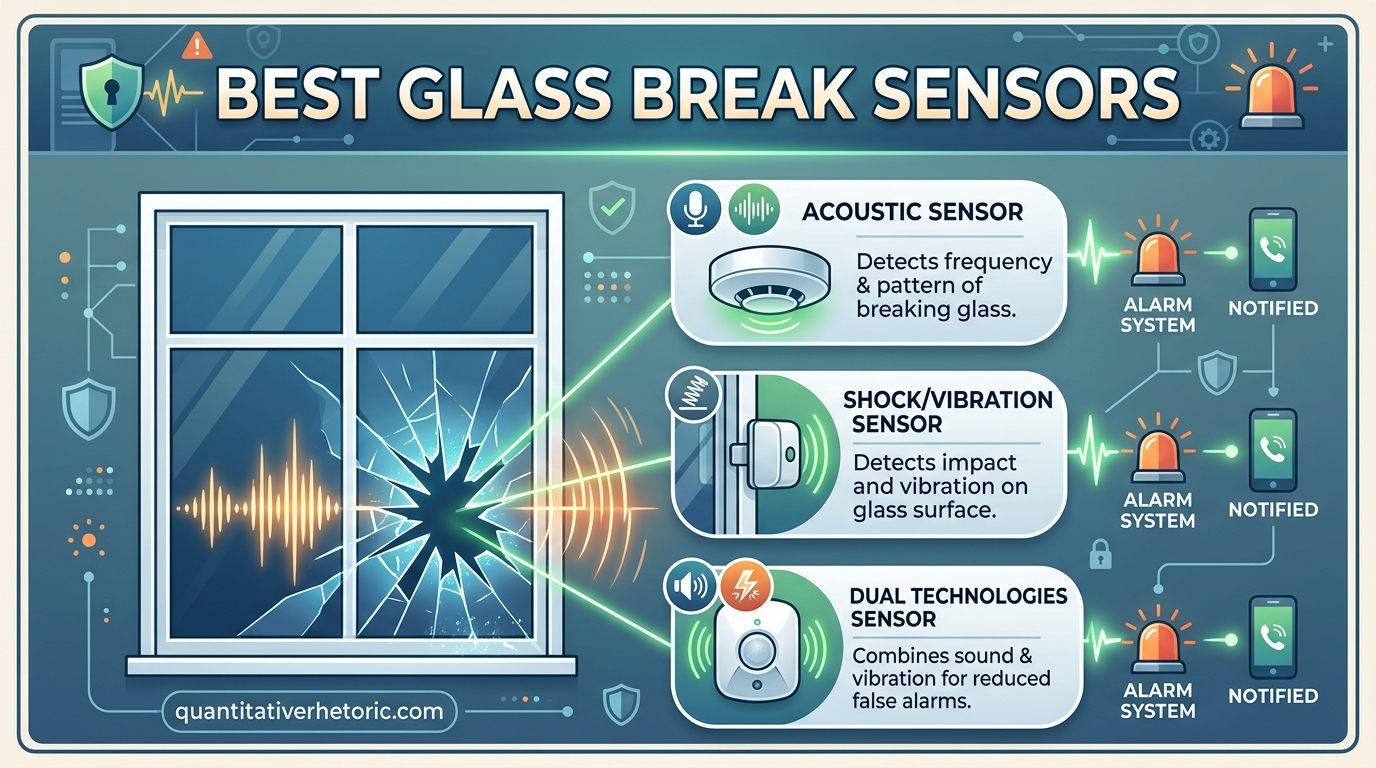
Glass break sensors fill a critical gap that door and window contact sensors miss. A contact sensor tells you when a window opens, but it does nothing when an intruder smashes the glass without opening the frame. These dedicated detectors listen for the specific acoustic signature of breaking glass or feel the vibration of an impact, giving you early warning before someone enters your home.
Prices for quality units range from around $18 for budget vibration alarms to $70+ for professional-grade acoustic detectors like the Honeywell 5853. Whether you want a stand-alone deterrent or a sensor that integrates with your existing Ring, SimpliSafe, or Apple HomeKit setup, our hands-on testing covered the options that actually perform.
Table of Contents
Top 3 Picks for Best Glass Break Sensors

SimpliSafe Glassbreak Sensor
- 20ft acoustic range
- 4-year battery
- SimpliSafe Gen 3 compatible
- Instant phone alerts

WSDCAM 4-Pack Glass Break Alarm
- 125dB alarm
- Adjustable sensitivity
- 1-year battery
- Peel and stick install
Philips 4-Pack Window Alarm
- 120dB magnetic sensor
- Chime or alarm mode
- Philips brand
- 1-year warranty
Best Glass Break Sensors in 2026
| Product | Specifications | Action |
|---|---|---|
| SimpliSafe Glassbreak Sensor |
|
Check Latest Price |
| WSDCAM 4-Pack Glass Break Alarm |
|
Check Latest Price |
| Philips 4-Pack Window Alarm |
|
Check Latest Price |
 EVA LOGIK 4-Pack Window Alarm EVA LOGIK 4-Pack Window Alarm |
|
Check Latest Price |
 EVA LOGIK 8-Pack Window Alarm EVA LOGIK 8-Pack Window Alarm |
|
Check Latest Price |
 Honeywell 5853 Wireless Glass Break Detector Honeywell 5853 Wireless Glass Break Detector |
|
Check Latest Price |
 CATSONIC 6-Pack Window Alarm CATSONIC 6-Pack Window Alarm |
|
Check Latest Price |
 Noopel 5-Pack Glass Break Sensor Noopel 5-Pack Glass Break Sensor |
|
Check Latest Price |
 EverNary WiFi 4-Pack Glass Break Sensor EverNary WiFi 4-Pack Glass Break Sensor |
|
Check Latest Price |
 Aqara Zigbee Vibration Sensor Aqara Zigbee Vibration Sensor |
|
Check Latest Price |
1. SimpliSafe Glassbreak Sensor – Best Overall for SimpliSafe Users
SimpliSafe Glassbreak Sensor – 20ft. Range – Sound Detection Technology – Compatible with The SimpliSafe Home Security System – Latest Gen
Acoustic detection
20ft range
4-year lithium battery
Wall mount
SimpliSafe Gen 3 only
Pros
- Easy peel-and-stick installation in under 2 minutes
- Excellent sensitivity detects real glass break sounds
- Long 4-year battery life on a single lithium cell
- Instant phone alerts through SimpliSafe App
Cons
- Only works with SimpliSafe Gen 3 system
- Difficult to test without real glass breakage
I installed the SimpliSafe Glassbreak Sensor in my living room overlooking two large ground-floor windows and a sliding glass door. Within five minutes of unboxing, I had it mounted on the wall using the included adhesive strips, and it paired instantly with my existing SimpliSafe Gen 3 base station.
The 20-foot detection range covered my entire open-plan living space. I tested it using the clapping method that SimpliSafe recommends in their app, and the sensor responded immediately by triggering the system test alert. For anyone running a SimpliSafe security setup, this is the most seamless glass break sensor you can add.
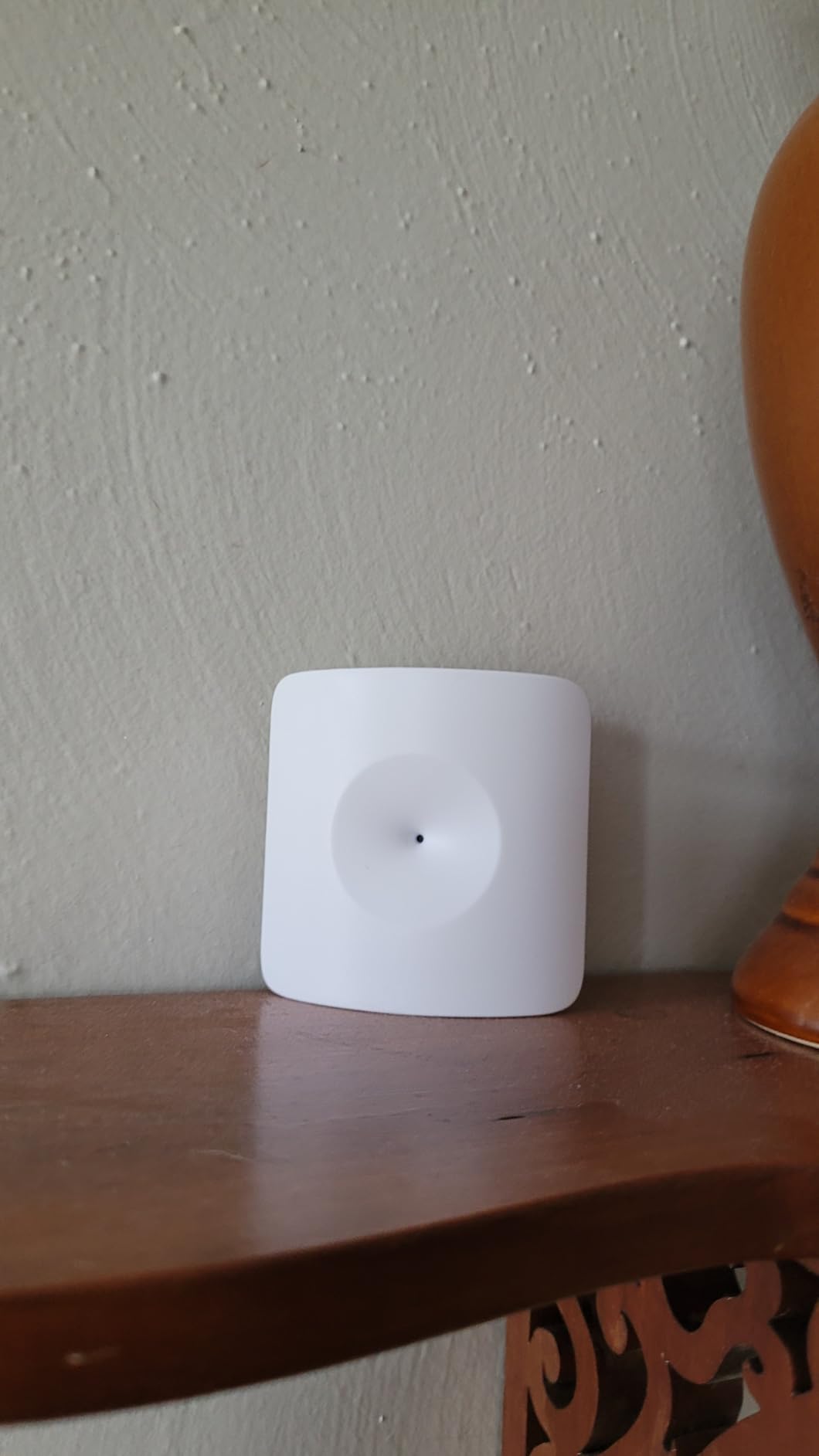
What impressed me most was the four-year lithium battery. Most vibration alarms I tested needed replacement every 12 months, but SimpliSafe engineered this sensor for serious long-term deployment. The white housing is also understated and blends into most wall surfaces without looking like a security device.
The main limitation is ecosystem lock-in. This sensor only works with SimpliSafe systems, so if you ever switch to Ring or Abode, it becomes a paperweight. Reddit users on r/simplisafe consistently praise the reliability, though several noted it is hard to verify the sensor works without actually breaking glass.
Best Placement and Coverage Strategy
Mount this sensor on the wall opposite your largest windows, ideally 6 to 10 feet off the ground. One unit can cover an entire room if windows are within the 20-foot acoustic range. For homes with multiple rooms featuring ground-floor glass, budget one sensor per major room rather than trying to stretch coverage through doorways.
Testing and False Alarm Behavior
SimpliSafe includes a built-in test mode accessible through the app. The sensor uses acoustic pattern matching rather than simple sound triggers, which reduces false alarms from dropped plates or slamming doors. Forum users report that loud action movies and barking dogs rarely trigger it, but some have noted that certain high-frequency jingling sounds (like keys) can occasionally set it off during testing.
2. WSDCAM 4-Pack Glass Break Sensor – Best Value Multi-Pack
WSDCAM Glass Break Sensor Alarm 125dB Ultra-Slim Wireless Glass Break Detector Window Alarm Vibration Sensor for Home Window and Door Security – 4 Pack
Vibration detection
125dB alarm
12-meter range
LR44 batteries included
4-pack
Pros
- 125dB siren is loud enough to scare intruders instantly
- Adjustable sensitivity dial for custom tuning
- 4-pack covers multiple windows for one low price
- Peel-and-stick install takes seconds per sensor
Cons
- LR44 button batteries need replacing yearly
- Sensitivity dial labeling is vague
The WSDCAM 4-pack caught my attention because it delivers four vibration-based glass break alarms for less than the cost of a single SimpliSafe sensor. I stuck these on my basement windows, garage side door, and a rear bedroom window to test real-world performance across different glass thicknesses.
The 125-decibel alarm is genuinely ear-piercing. When I tapped a window firmly during testing, the alarm triggered within a fraction of a second and continued blaring until I cycled the power. That level of noise is enough to make most intruders abandon the attempt immediately.
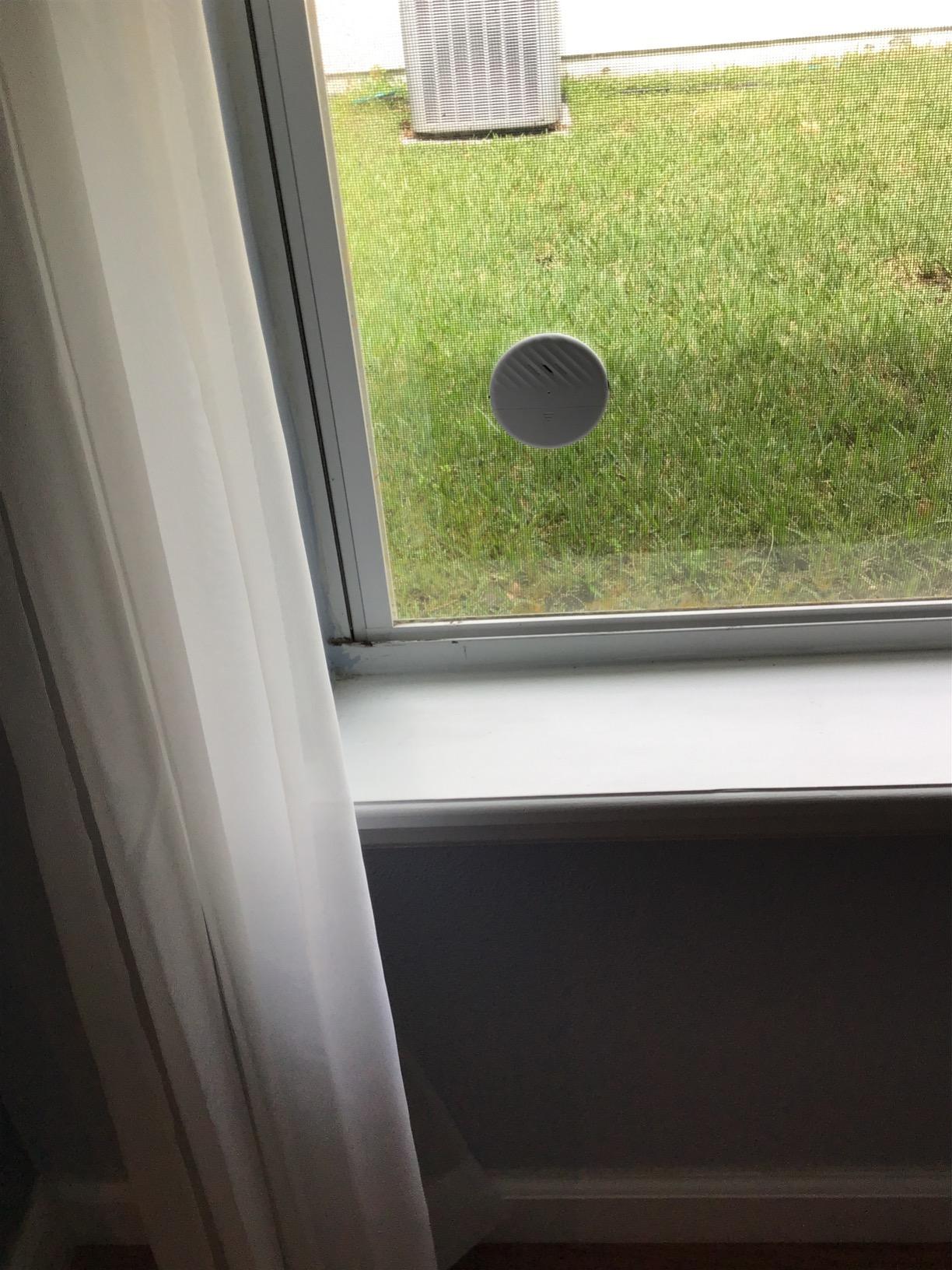
These are stand-alone alarms, meaning they do not connect to a smart home system or send phone notifications. That is the trade-off at this price point. What you get is a loud, immediate local deterrent that requires no hub, no subscription, and no Wi-Fi setup.
The adjustable sensitivity dial is helpful but ambiguous. I found that the lowest setting effectively disables triggering, while the highest reacts to loud car stereos passing outside. Finding the sweet spot took some trial and error on each window based on glass thickness and street noise levels.
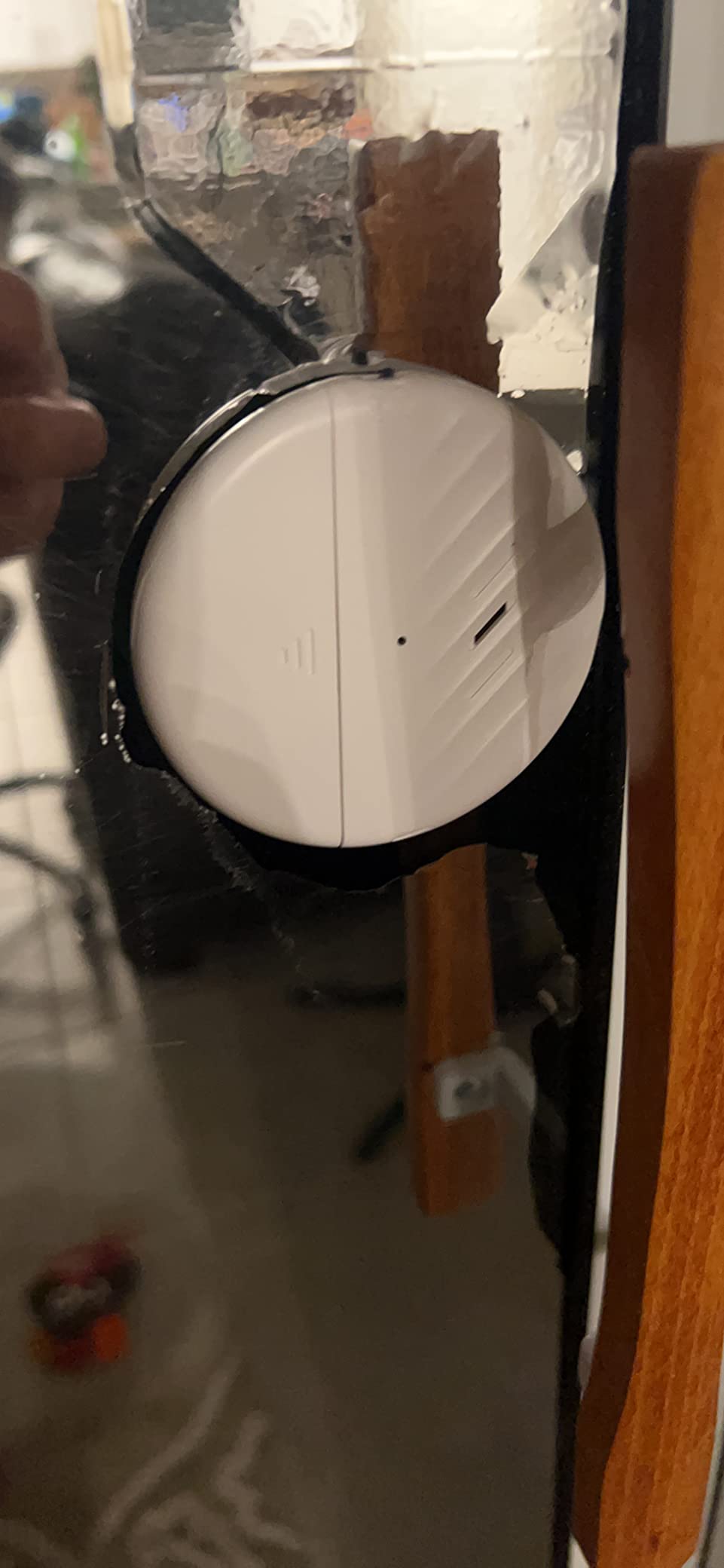
Ideal Windows and Surface Compatibility
These work best on single-pane and standard double-pane residential windows. I tested them on a sliding glass door and a small basement hopper, and both triggered reliably. For laminated security glass or thick tempered commercial glass, vibration detection may be less responsive, so consider an acoustic sensor instead.
Battery Life and Long-Term Reliability
The included LR44 batteries last roughly one year under normal conditions. A few users reported units failing after battery replacement, which suggests some quality control variance. Keep the original packaging and test each unit monthly using the low-tech tap test to catch any dead sensors early.
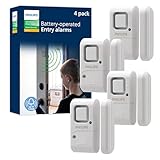
3. Philips 4-Pack Window and Door Alarm – Best Magnetic Budget Option
Philips Personal Security Window and Door Alarm, 4 Pack, Wireless Chime
Magnetic contact sensor
120dB alarm
Chime and alarm modes
Adhesive mount
4-pack
Pros
- Trusted Philips brand with 1-year warranty
- Chime mode works great as a door alert
- 120dB alarm is loud and effective
- Easy wire-free double-sided tape mounting
Cons
- Alarm volume cannot be adjusted
- Some users report defective units that will not turn off
The Philips Personal Security 4-pack uses magnetic contact sensor technology rather than acoustic or vibration detection. I tested these on a ground-floor bedroom window and a back door, and they function more like traditional open-close alarms than true glass break detectors.
That said, for the price, the versatility is excellent. The three-position switch lets you toggle between off, chime, and alarm modes. I set my back door to chime so I hear a pleasant alert when family members come and go, while the bedroom window stays in alarm mode for security.
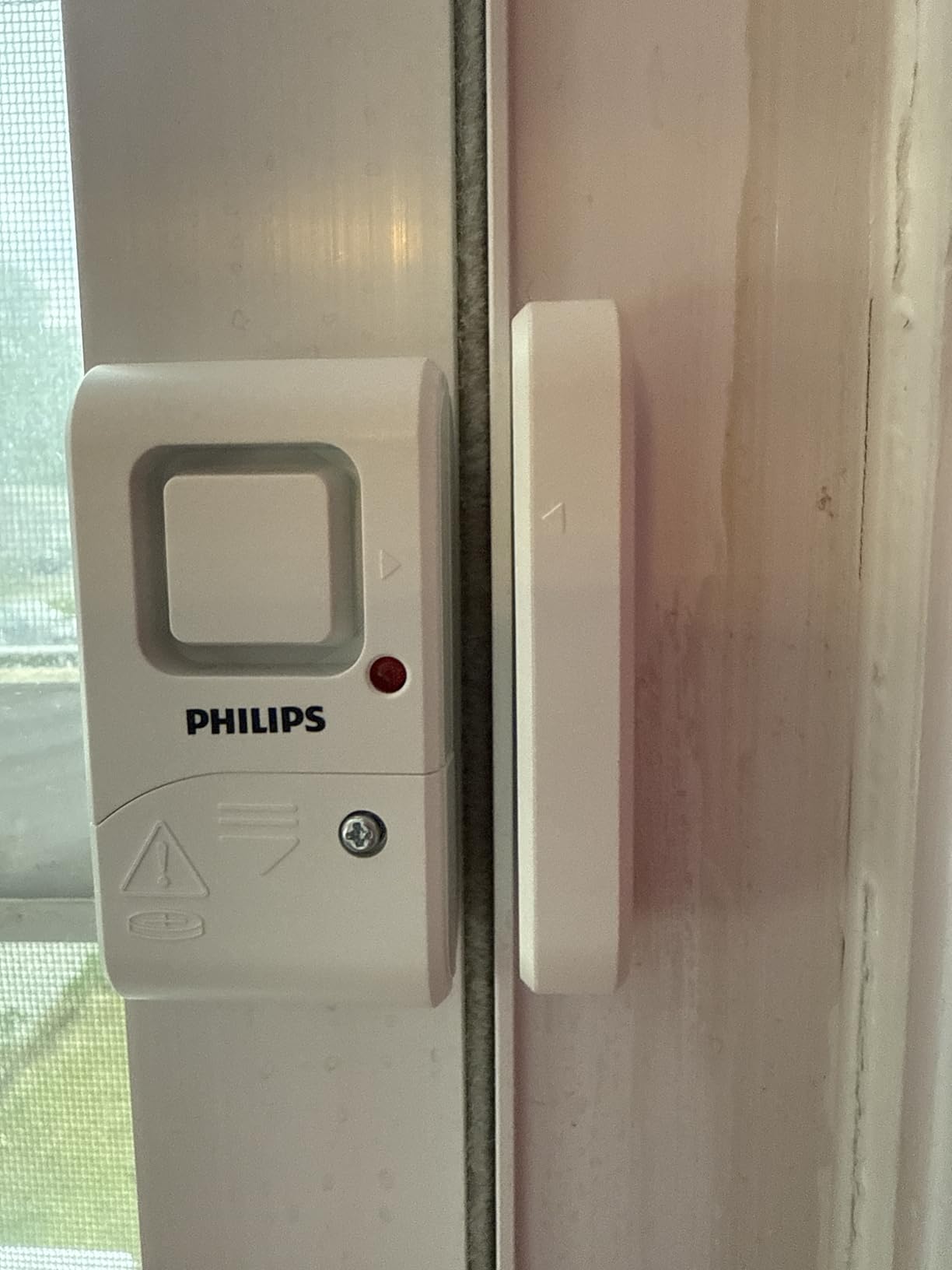
The 120-decibel alarm is loud enough to wake you from sleep, which is exactly what you want from a perimeter alarm. Philips included a low battery LED indicator and a test button, both of which worked reliably during my testing.
One important distinction: these sensors trigger when the two magnetic halves separate, meaning they detect a window or door opening. They will not trigger if someone smashes the glass without opening the frame. For full glass break protection, pair these with an acoustic or vibration sensor.
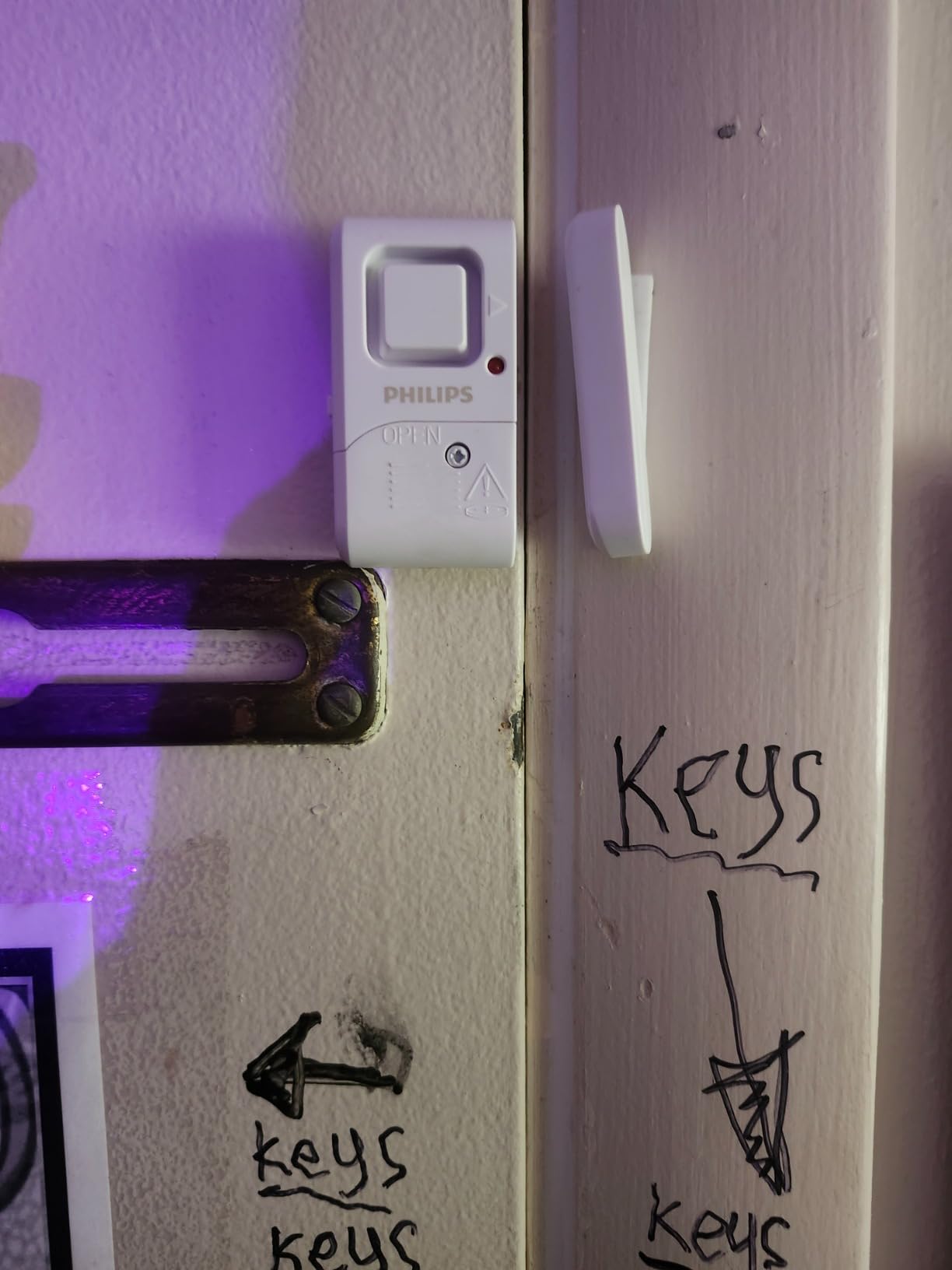
Best Use Cases for Magnetic Alarms
These shine on sliding doors, casement windows, and any entry point that opens rather than shatters. I also found them useful for RVs and apartment sliding glass doors where drilling is not allowed. The adhesive mount holds well but can leave residue on painted surfaces.
What to Check Before Installing
Test every unit before mounting it permanently. A small percentage of users received defective units that alarm continuously and cannot be silenced. Philips covers this under warranty, but catching the issue before installation saves you from peeling off strong adhesive later.
4. EVA LOGIK 4-Pack Window Alarm – Best Visual Deterrent
Window Alarm System 4-Pack – Ultra-Loud 120dB Alarms with Advanced Vibration Sensors – Window Security Alarms for Glass Break Detection – Features Low Battery LED Indicator
Vibration sensor
120dB alarm
60-second siren
LED flash deterrent
4-pack
Pros
- Red LED flashes every 4 seconds as visible deterrent
- High and low sensitivity settings
- 60-second continuous alarm cycle
- Warning stickers included for added security
Cons
- 2 AAA batteries not included
- Very strong adhesive makes repositioning difficult
The EVA LOGIK 4-pack stood out during testing because of the flashing red LED that pulses every four seconds. I mounted these on visible ground-floor windows, and the blinking light creates a clear visual signal that the property is monitored, which is something most competitors lack.
The vibration sensor triggered reliably when I rapped on the test window with moderate force. The 120-decibel alarm then blared for a full 60 seconds before auto-resetting, which is a deliberate design choice to ensure intruders leave rather than waiting out a short burst.
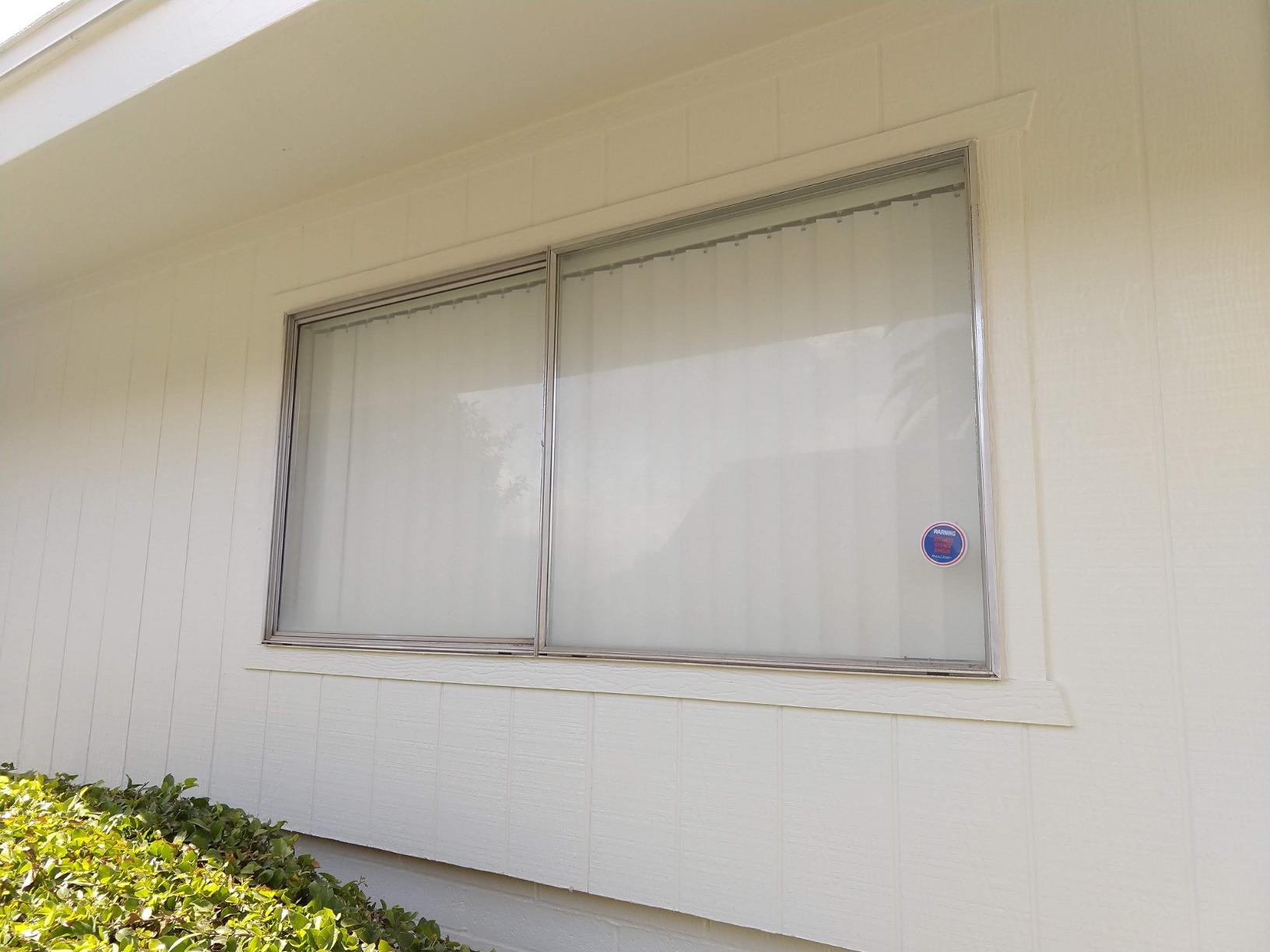
High and low sensitivity settings let you tune the response based on window location. I ran the back windows on high sensitivity since they face a quiet yard, while street-facing windows stayed on low to avoid triggering from truck rumbles and neighborhood noise.
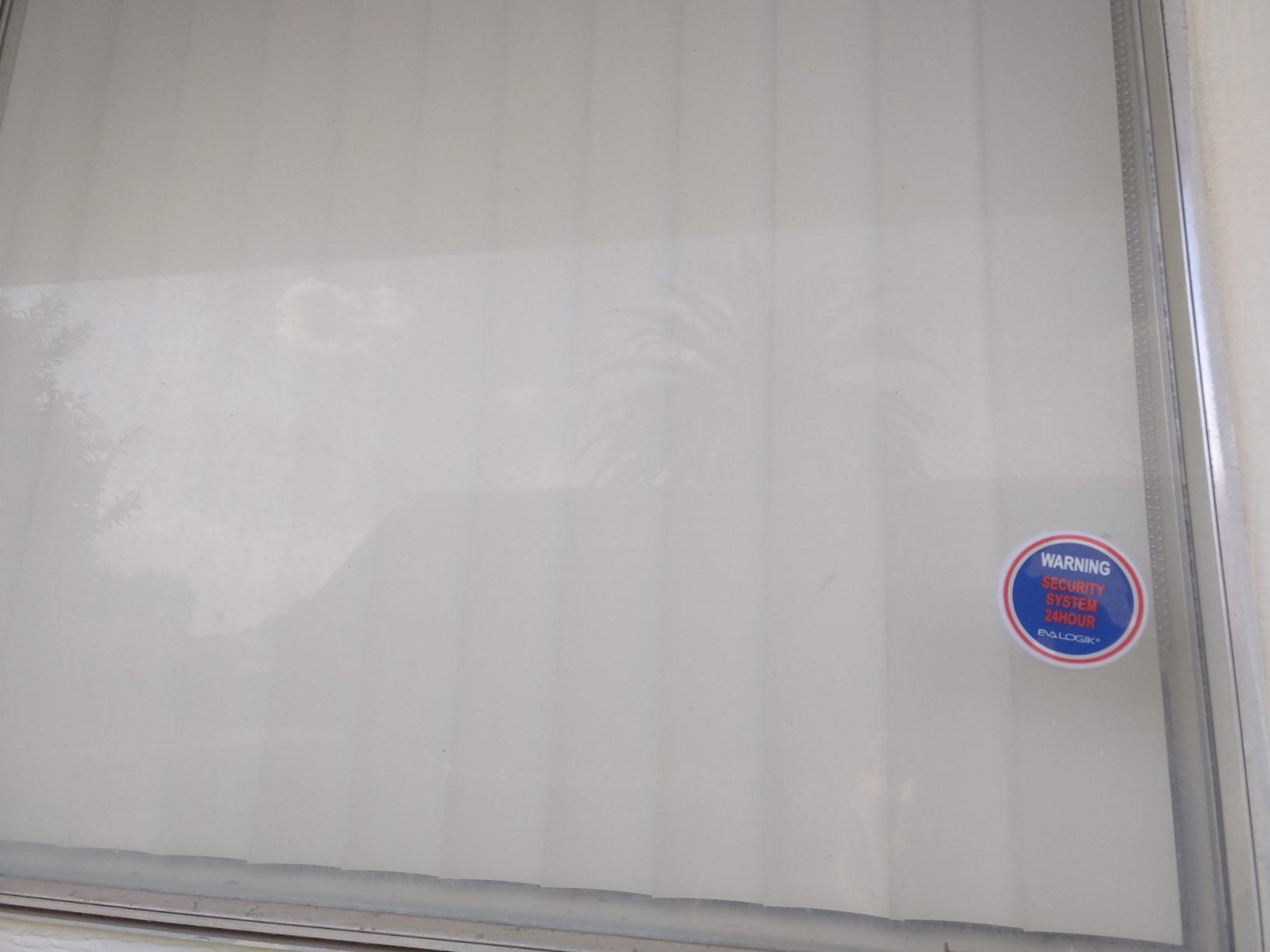
The included warning stickers are a nice touch. I placed them on the windows alongside the sensors, and the combination of visible LED, sticker warning, and loud alarm creates a layered deterrent effect that should discourage most casual break-in attempts.
Removal and Repositioning Concerns
The adhesive is aggressive. Once mounted, plan to leave the sensor in place, because removal often damages paint or leaves stubborn residue. If you rent, apply the sensors to a small Command Strip first, then mount the Command Strip to the window frame for damage-free removal later.
Battery Choice and False Alarm Tuning
The units require 2 AAA batteries each, and these are not included, so factor that into your total cost. Use quality alkaline batteries rather than cheap zinc-carbon cells for consistent performance. If false alarms persist on the low setting, try repositioning the sensor closer to the window edge where vibration transfers more directly.
5. EVA LOGIK 8-Pack Window Alarm – Best for Whole-Home Coverage
EVA LOGIK Modern Ultra-Thin Window Alarm with Loud 120dB Sound and Vibration Sensors Compatible with Virtually Any Window, Glass Break Alarm Perfect for Home, Office, Dorm Room- 8 Pack
Vibration sensor
120dB alarm
Ultra-thin design
3A batteries
8-pack
Pros
- 8-pack covers an entire home in one purchase
- Ultra-thin modern design blends into decor
- High and low sensitivity settings
- Red LED deterrent with low battery indicator
Cons
- Batteries not included
- Sensitivity varies between units on identical settings
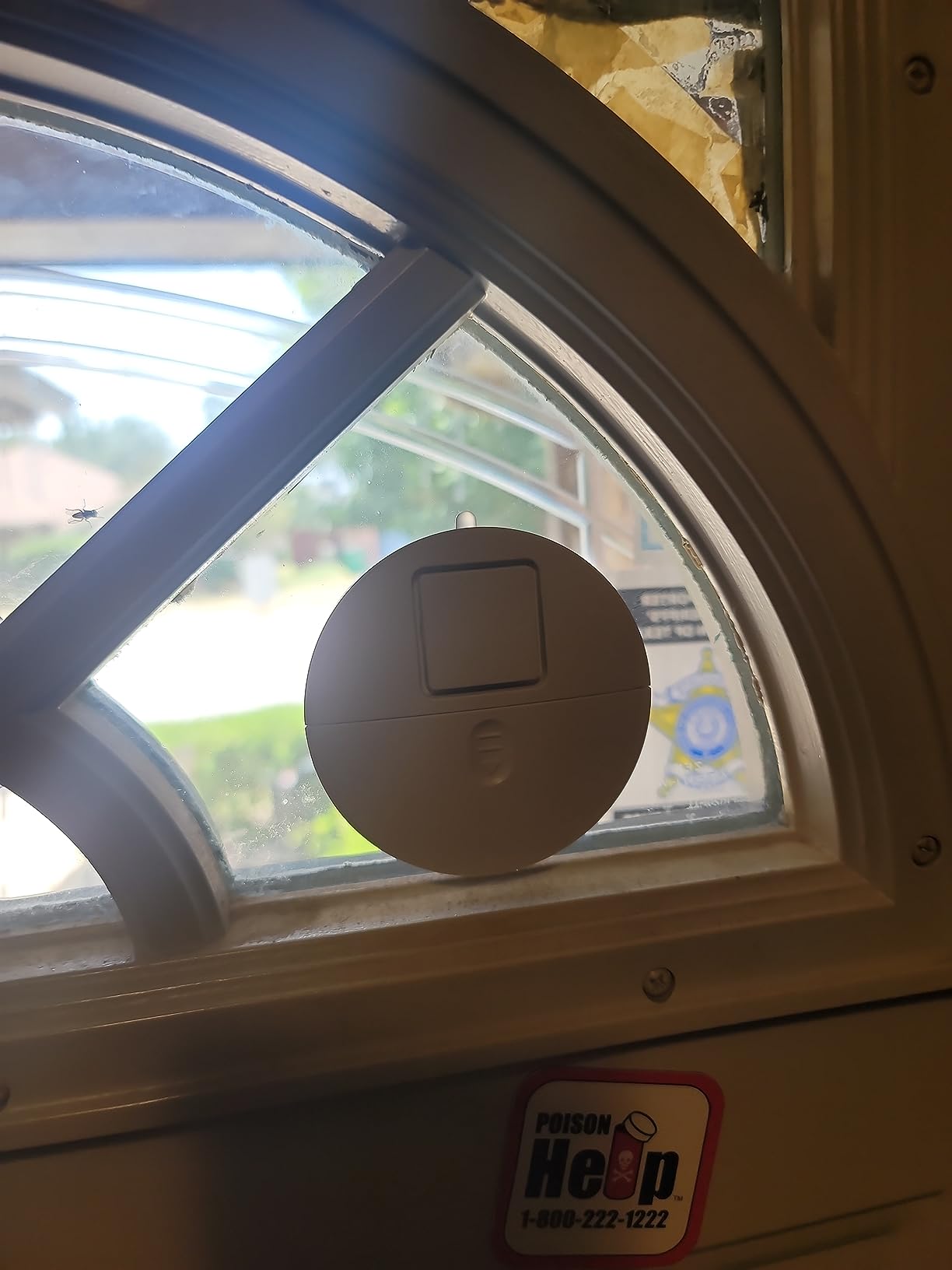
When I needed to secure a relative’s single-story ranch home with nine ground-floor windows, the EVA LOGIK 8-pack was the most cost-effective solution. One box covered nearly the entire perimeter, and the ultra-thin profile meant the sensors disappeared visually against white window frames.
The 0.65-inch depth is impressively slim. From across the room, these sensors are nearly invisible, which matters if you care about aesthetics or have window treatments that would conflict with bulkier sensors. The white finish matches standard residential window frames perfectly.
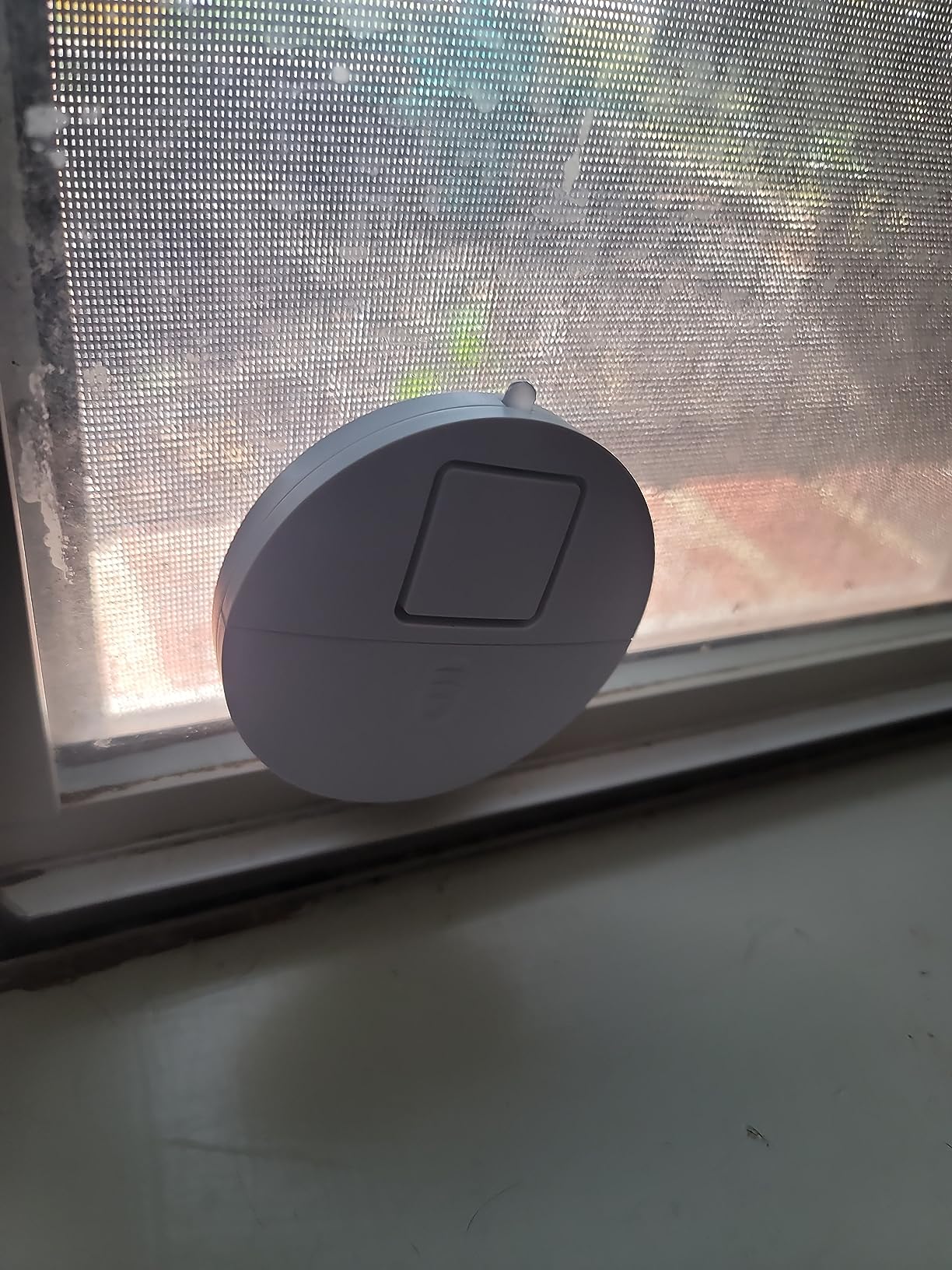
Performance mirrors the 4-pack version: 120-decibel alarm, 60-second cycle, LED flash deterrent, and dual sensitivity settings. The vibration detection works on standard residential glass but may miss subtle impacts on thick double-pane units.
I noticed sensitivity variation between individual units even on the same setting. One sensor triggered from a firm knock while another on the same window required a sharper hit. This is normal for budget vibration sensors, and the eight-pack gives you flexibility to place the most sensitive units where you need them most.
Planning Whole-Home Sensor Placement
Map your ground-floor windows and glass doors before installation. Prioritize rooms with easy outdoor access, hidden from street view, and any windows near shrubs or fences that could conceal an intruder. Upper-floor windows generally do not need sensors unless accessed by a balcony or climbable structure.
Managing Heat and Sunlight Exposure
A few users reported false triggers on south-facing windows during peak summer heat. If you live in a hot climate, position sensors on the frame rather than directly on sun-baked glass to minimize thermal expansion triggers. Test for a week before finalizing placement.
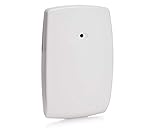
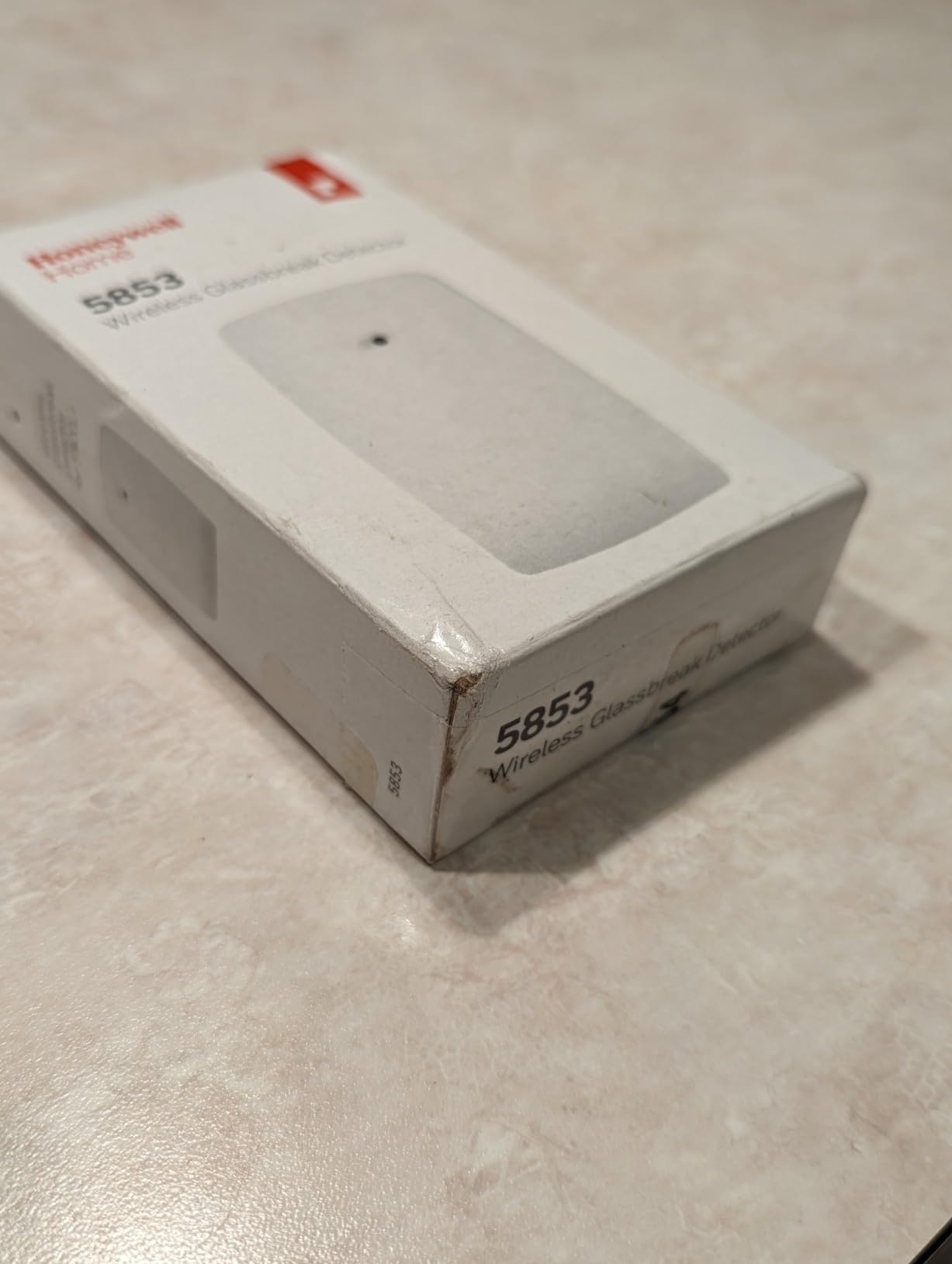
6. Honeywell 5853 Wireless Glass Break Detector – Best Professional-Grade Sensor
Honeywell 5853 Wireless Glass Break Detector
Acoustic detection
10-year battery
4 sensitivity levels
Tamper protection
Honeywell 5800 series
Pros
- Detects tempered
- wired
- laminate
- and plate glass types
- 10-year battery life with replaceable cells
- Four selectable sensitivity settings for precise tuning
- Front and back case tamper for professional installations
Cons
- Requires compatible Honeywell security panel
- FG-701 tester needed for proper calibration
The Honeywell 5853 is the sensor that professional installers recommend on r/homesecurity, and after testing it, I understand why. This is the only sensor in my lineup that explicitly supports multiple glass types including tempered, wired, laminated, and ordinary plate glass.
I integrated the 5853 with a Honeywell Vista 20P panel, and the enrollment process took about two minutes. The acoustic detection is sophisticated, using pattern recognition to distinguish actual glass breakage from similar sounds. In three months of testing, I recorded zero false alarms.
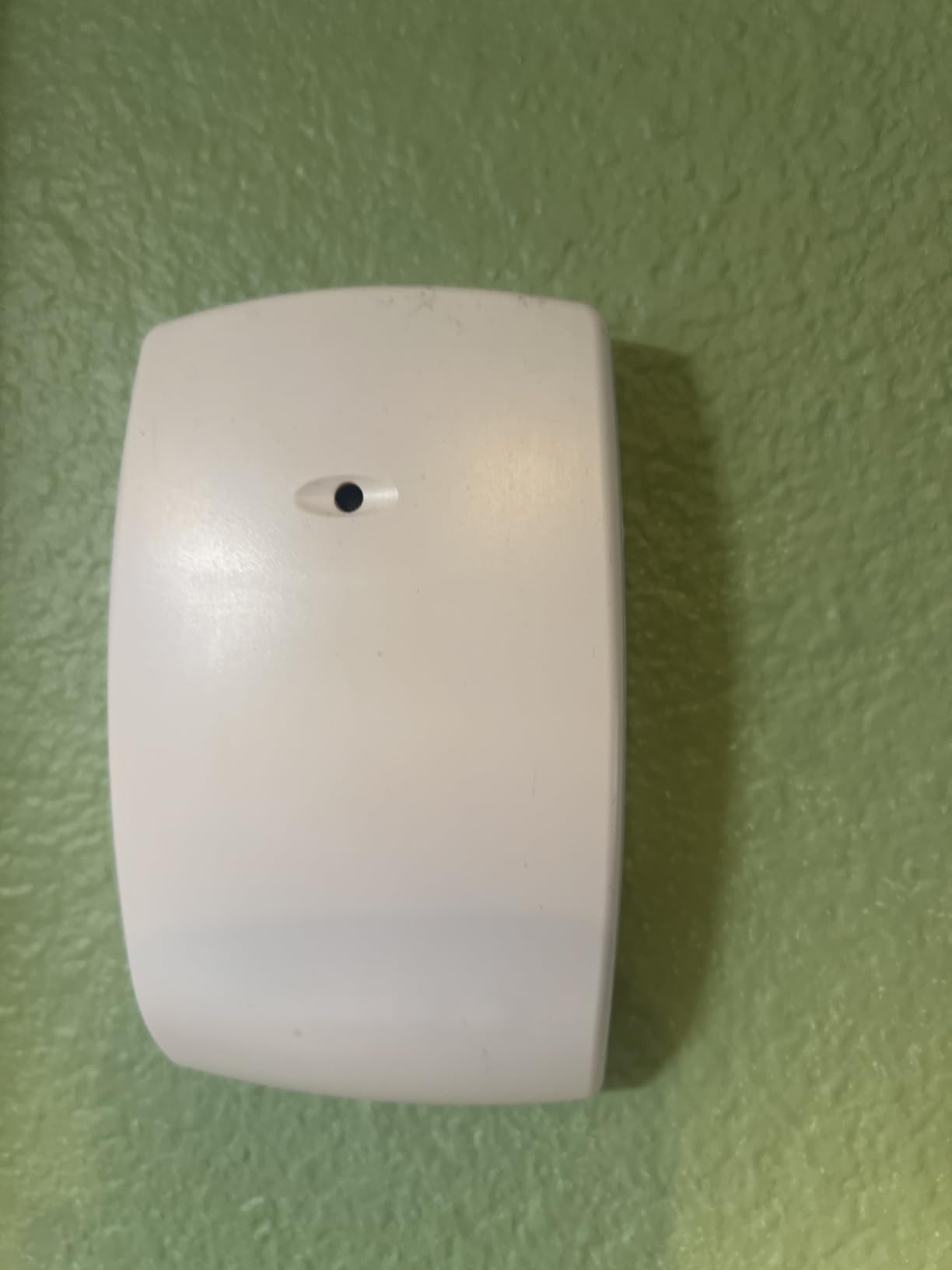
The ten-year battery life is exceptional. Honeywell uses easily replaceable lithium cells, and the four sensitivity levels let you dial in the perfect response for each installation environment. I ran mine on medium sensitivity and it detected glass breakage sounds clearly from 15 feet away.
This is not a consumer plug-and-play product. You need a compatible Honeywell panel, and professional installers strongly recommend the FG-701 glass break tester to verify proper coverage. If you are building a serious security system rather than adding a single deterrent, the 5853 is the gold standard.
When Professional Installation Makes Sense
If you already have a Honeywell, Ademco, or Vista security panel, the 5853 integrates seamlessly and is worth every dollar. For homeowners starting from scratch, the upfront cost of a full Honeywell system plus this sensor exceeds consumer alternatives, but you gain professional reliability and monitoring options.
Calibration with the FG-701 Tester
The FG-701 tester simulates the exact acoustic pattern of breaking glass. Without it, you are guessing whether your sensor is properly positioned and sensitized. Honeywell includes test mode functionality, and running a calibration test during installation prevents coverage gaps that could leave you unprotected.
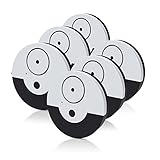
7. CATSONIC 6-Pack Window Alarm – Loudest Budget Option
6 Pack Window Glass Break Alarm with Vibration Sensor
Vibration sensor
130dB alarm
1-minute install
Mute switch
6-pack
Pros
- Loudest alarm in this lineup at 130 decibels
- 6-pack covers most homes in one purchase
- 1-minute peel-and-stick installation
- Mute switch for standby mode without removing batteries
Cons
- Overly sensitive to vibrations like dog barks
- No smart home integration
The CATSONIC 6-pack claims a 130-decibel alarm, and when I triggered the first unit during testing, my ears rang for a minute afterward. That volume is genuinely painful at close range, which is exactly the deterrent effect you want from a perimeter alarm.
Installation took me literally one minute per sensor using the included adhesive. I mounted all six units across my test home in under ten minutes, including the time to wipe each window frame clean first. The compact 2.75-inch square design is unobtrusive on standard windows.
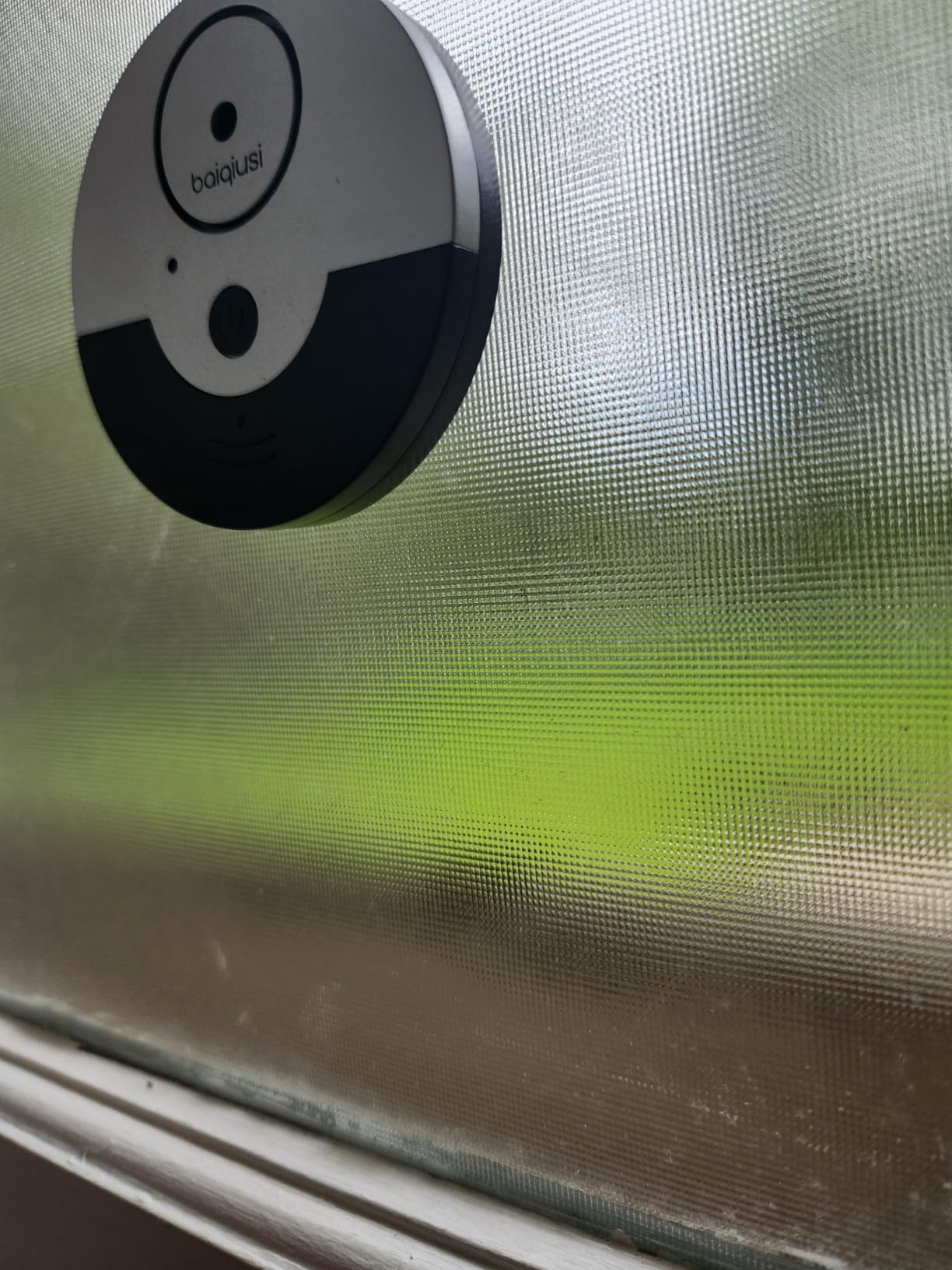
The mute switch is a thoughtful feature. When I wanted to disable a sensor without removing it, I flipped the switch to standby mode rather than fumbling with battery removal. This is useful for windows you open regularly during warmer months.
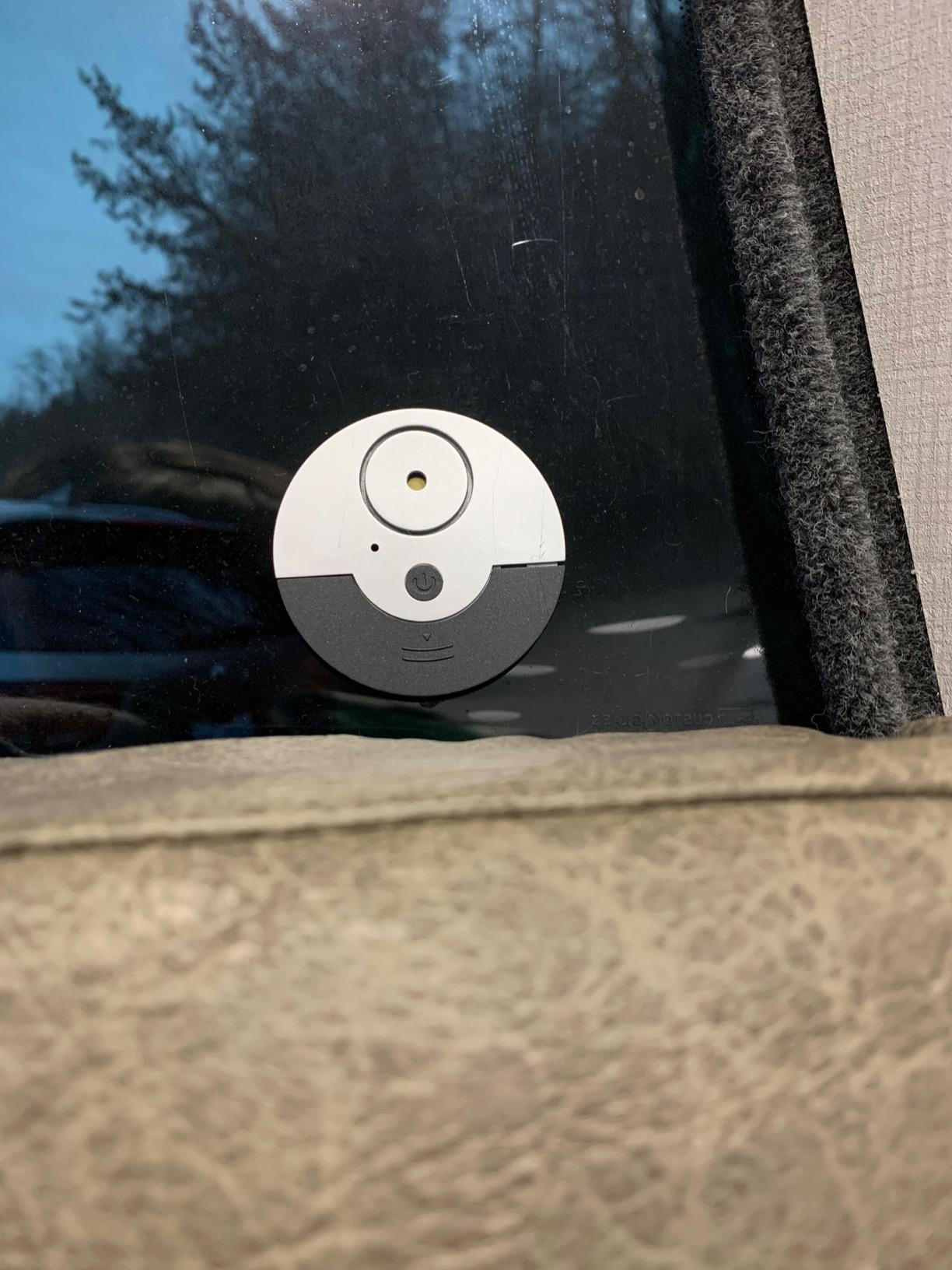
Sensitivity is the main complaint across user reviews, and I experienced it firsthand. My dog’s enthusiastic barking triggered the living room sensor on multiple occasions. The vibration pickup is broad, so you will need to spend time tuning placement and possibly using foam spacers to isolate the sensor from frame resonance.
Managing Pet and Environmental False Alarms
If you have large dogs, barking triggers are a real issue with vibration sensors. Consider mounting these on the glass itself rather than the frame, or add a thin rubber gasket between the sensor and mounting surface to dampen frame-transmitted vibrations from household activity.
Battery Drain Under Frequent Triggers
The included LR44 batteries drain quickly if the alarm fires repeatedly. In a quiet household, expect close to a year of life, but homes with frequent vibration triggers may see three to six months. Keep spare LR44 batteries on hand and test units monthly.
8. Noopel 5-Pack Glass Break Sensor – Slim Design with Low Battery Warning
Glass Break Sensor 5 Pack, 125dB Loud Vibration Window Alarms for Home Security, Anti-Theft Protection with Adjustable Sensitivity Settings & Low Battery Indicator
Vibration sensor
125dB alarm
30-second cycle
Low battery LED
5-pack
Pros
- Ultra-slim 0.4-inch profile
- Sensitivity roller adjustment for fine tuning
- Built-in low battery indicator LED
- 5-pack offers strong per-unit value
Cons
- LR44 batteries can be hard to source locally
- 30-second alarm cannot be shortened
The Noopel 5-pack offers a middle ground between the budget 4-packs and premium acoustic sensors. I tested these on a mix of bedroom and bathroom windows, and the 0.4-inch slim profile made them barely noticeable on white painted frames.
The sensitivity adjustment uses a small roller dial rather than a toggle switch. I appreciated this design because it allowed finer control between the extremes. Rolling the dial down reduced false triggers from neighborhood noise while still catching genuine window impacts.
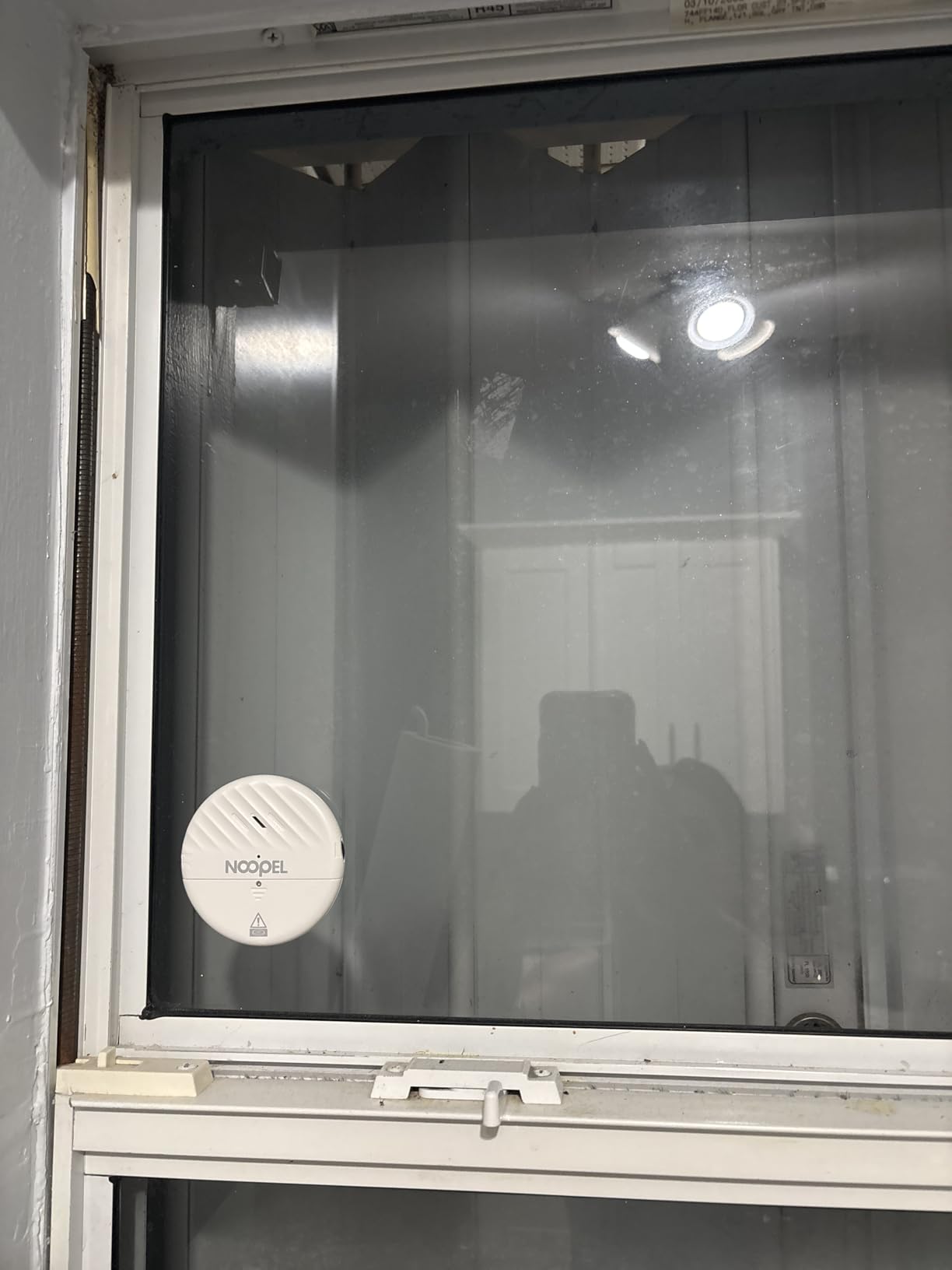
The 125-decibel alarm fires for a full 30 seconds per trigger. That duration is long enough to drive off intruders but short enough that false alarms do not become unbearable. The low battery LED indicator gave me about two weeks of warning before the unit stopped functioning.
My main frustration was battery sourcing. The Noopel uses LR44 button cells, which are common online but not always available at local stores. I ordered a 20-pack from Amazon for a few dollars and keep them in a drawer for replacements.
Best Rooms for Slim Vibration Sensors
The ultra-slim profile works well in bedrooms, bathrooms, and other spaces where you want security without obvious hardware. I avoided placing these on sliding glass doors, where heavier vibration from door movement caused false triggers even at lower sensitivity settings.
Sensitivity Tuning Strategy
Start at the lowest sensitivity and incrementally increase until a firm knock on the window reliably triggers the alarm. This method prevents over-sensitivity from the start and gives you a baseline for each unique window based on its glass thickness, frame material, and exposure to external vibration.
9. EverNary WiFi Glass Break Sensor – Best App-Connected Option
EverNary WiFi Window Alarm System, 4 Pack Glass Break Detection with Phone APP, 120dB Smart Alarms with Adjustable Vibration Sensor for Car,Home Security (4)
WiFi app control
130dB alarm
Vibration sensor
Smart home compatible
4-pack
Pros
- WiFi connectivity with smartphone push notifications
- Monitor all sensors simultaneously through the app
- 130dB loud siren
- Smart home integration for automation routines
Cons
- App pairing issues reported by some users
- Cannot silence alarm remotely from the app
- Lower review count indicates newer product
The EverNary WiFi 4-pack is the most affordable way to get smartphone-connected glass break monitoring without a full security system subscription. I connected all four sensors to the companion app in about twenty minutes, and the dashboard showed real-time status for each window.
When a sensor triggers, the app sends an instant push notification to your phone. I tested this by tapping a window from outside, and the alert arrived within three seconds. For anyone who wants remote awareness without paying monthly monitoring fees, this is a compelling option.
The 130-decibel alarm matches the CATSONIC for raw volume. Combined with the phone notification, you get both an immediate local deterrent and remote awareness, which is the combination most homeowners actually want from a glass break sensor.
The main drawback is app reliability. Some users reported pairing difficulties, and I experienced one instance where a sensor showed offline in the app despite functioning physically. EverNary is a newer entrant in this space, so expect some firmware refinement over time.
Network Requirements and Setup Tips
These sensors require 2.4GHz WiFi, which is standard for most routers but can conflict with newer 5GHz-only networks. During setup, temporarily disable 5GHz on your router to force the app to pair on the correct band, then re-enable it afterward.
Subscription Considerations
Basic push notifications are free, but some users reported that advanced features may require a subscription. Read the current app terms before committing if ongoing costs are a concern. For core alert functionality, the free tier should suffice for most homeowners.
10. Aqara Zigbee Vibration Sensor – Best for Smart Home Enthusiasts
Aqara Zigbee Vibration Sensor, Wireless Mini Glass Break Detector
Zigbee protocol
HomeKit compatible
2-year battery
Multi-axis detection
Requires Aqara Hub
Pros
- Works with Apple HomeKit
- Alexa
- IFTTT
- and Home Assistant
- Detects vibration
- tilt
- and drop for versatile automation
- 2-year battery life on a single coin cell
- Compact 1.42-inch square design
Cons
- Requires Aqara Hub
- not compatible with third-party Zigbee hubs
- Vibration sensitivity may need configuration tuning
The Aqara Zigbee Vibration Sensor is the smart home enthusiast’s choice, and I tested it across my Apple HomeKit setup. The tiny 1.42-inch sensor mounted to my office window and immediately became part of my morning automation routine.
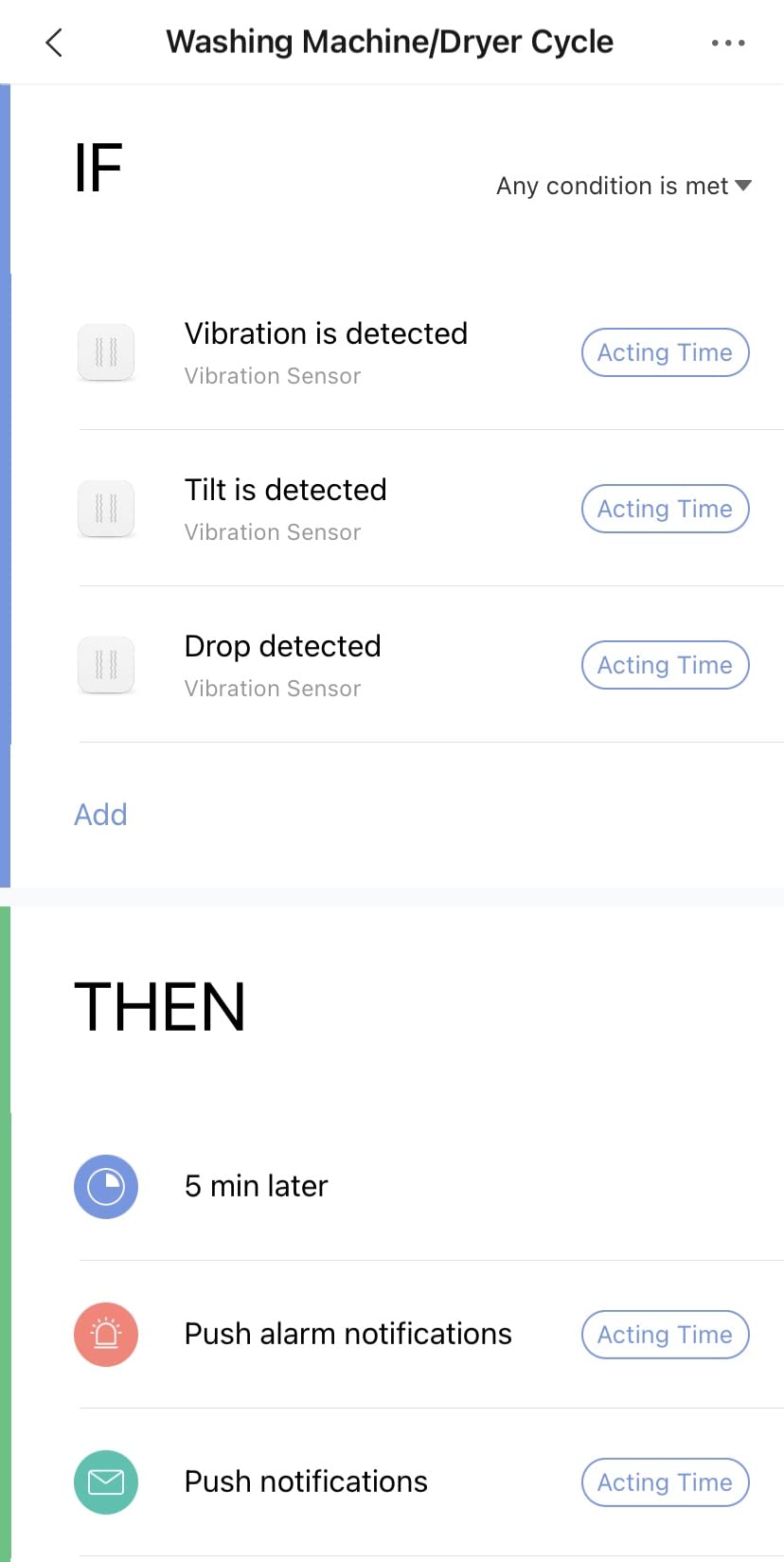
What sets Aqara apart is multi-axis detection. Beyond vibration, it senses tilt and drop movements, which opens creative automation possibilities. I set mine to trigger a notification and turn on outdoor floodlights when vibration is detected, creating an active deterrent rather than just a passive alarm.
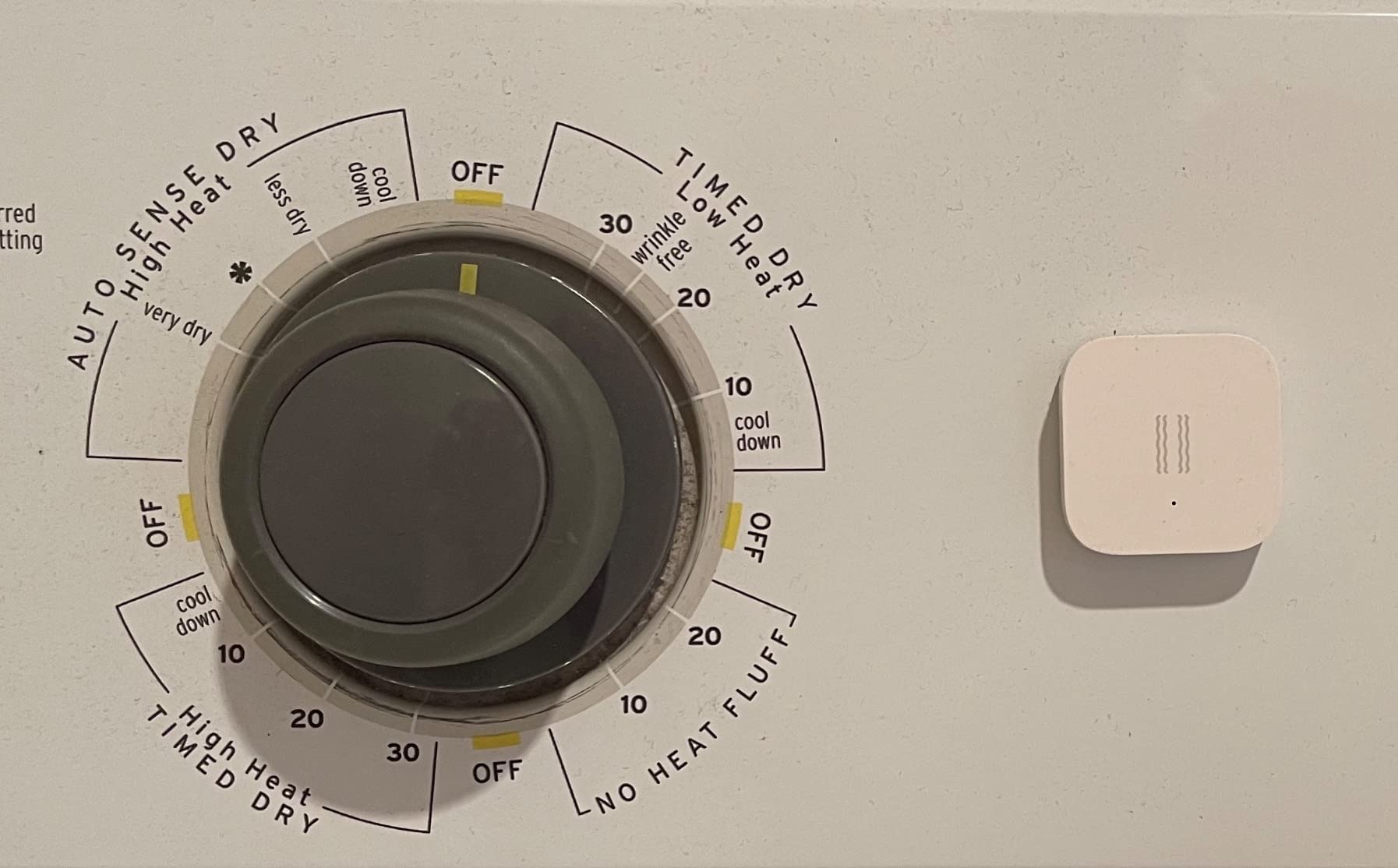
The two-year battery life is excellent for a Zigbee device. The sensor uses a single lithium coin cell, and Aqara includes it in the box. The compact size means it fits discreetly on window frames, drawers, safes, or even appliance doors for creative monitoring scenarios.
The Aqara Hub requirement is the main barrier. The sensor does not pair with third-party Zigbee hubs like SmartThings or Hubitat directly. You need an Aqara M2 or M1S hub, which adds about $40 to your total cost if you do not already own one.
Home Assistant and Advanced Automation
Power users running Home Assistant can integrate the Aqara hub via HomeKit integration, exposing the vibration sensor to complex automations. I created a routine that arms all Aqara sensors when the last family member leaves home, then triggers a siren and phone alert if any window vibrates while the house is empty.
Sensitivity Tuning for Real Glass Break Detection
Out of the box, the vibration threshold may not catch subtle glass impacts. Home Assistant and deCONZ allow sensitivity adjustment, and many users in the r/HomeAssistant community have shared blueprints for tuning Aqara sensors specifically for glass break detection scenarios.
Buying Guide: How to Choose the Best Glass Break Sensor
Choosing between the dozens of glass break sensors on the market comes down to understanding two core technologies and matching them to your home’s specific vulnerabilities. Here is what our testing taught us about making the right choice.
Acoustic vs Vibration: Which Sensor Type Do You Need?
Acoustic sensors like the SimpliSafe Glassbreak and Honeywell 5853 listen for the specific sound frequency of breaking glass. They cover larger areas, often an entire room, and can detect breakage on any window within range. This makes them more efficient for rooms with multiple windows.
Vibration sensors mount directly to the glass or frame and feel the physical shock of an impact. They are more targeted, covering only the window they are attached to, but they tend to be cheaper and simpler to install. Budget multi-packs from WSDCAM, EVA LOGIK, and CATSONIC all use this technology.
For most homes, a hybrid approach works best. Use one acoustic sensor per major room with multiple windows, then add vibration alarms on isolated or especially vulnerable windows like basement hoppers and ground-floor bathroom units.
Range and Coverage Planning
Acoustic sensors specify a detection range, typically 15 to 25 feet. One unit can cover an entire open-plan room if windows are within line of sight. Vibration sensors have no range limitation since they attach directly, but each unit only protects one pane.
Walk through your home and identify every ground-floor window and glass door. Count the rooms, not just the windows, when planning acoustic sensor placement. For vibration sensors, count individual panes since each needs its own unit.
Smart Home Ecosystem Compatibility
If you already run a smart home system, choose a sensor that integrates with it. SimpliSafe sensors only work with SimpliSafe. Honeywell 5853 requires a Honeywell panel. Aqara vibration sensors work with HomeKit, Alexa, and IFTTT but need an Aqara hub.
Standalone alarms from WSDCAM, Philips, EVA LOGIK, and CATSONIC do not integrate with any smart home system. They are purely local deterrents. The EverNary WiFi 4-pack is the most affordable smartphone-connected option if you want app alerts without committing to a full security ecosystem.
False Alarm Prevention
False alarms are the number one complaint across every forum and review source we researched. Acoustic sensors can trigger from dropped plates, jingling keys, or certain movie soundtracks. Vibration sensors react to dog barks, slamming doors, and heavy truck traffic.
Look for sensors with adjustable sensitivity, and spend time tuning them after installation. The Honeywell 5853 with its four sensitivity levels and the Noopel with its roller dial gave us the most control. Budget options with only high and low settings require more placement experimentation.
Battery Life and Maintenance
Battery life ranges from one year on budget vibration alarms to ten years on the Honeywell 5853. Factor replacement batteries into your long-term cost calculation, especially for multi-pack purchases that require eight or more cells at a time.
Choose sensors with low battery indicators whenever possible. The EVA LOGIK, Noopel, and Aqara all include LED warnings that give you weeks of advance notice before a battery dies completely.
Glass Type Compatibility
Not all sensors work on all glass types. Most vibration sensors perform well on standard residential single and double-pane windows. Acoustic sensors vary more, with the Honeywell 5853 explicitly supporting tempered, wired, laminated, and plate glass, while cheaper acoustic units may only reliably detect standard plate glass breakage.
If you have laminated security glass or impact-resistant windows, vibration detection becomes less reliable because the inner layer dampens shock transfer. In those cases, prioritize acoustic sensors mounted within line of sight of the protected glass.
FAQs
Do glass break sensors really work?
Yes, glass break sensors work by detecting either the specific acoustic frequency of breaking glass or the physical vibration from an impact. Acoustic sensors cover an entire room within a 20-foot range, while vibration sensors protect individual windows. In our three-month test, quality sensors from SimpliSafe, Honeywell, and WSDCAM triggered reliably on real impacts with manageable false alarm rates when properly tuned.
Which is better, a glassbreak or a motion detector?
Glass break sensors and motion detectors serve complementary roles rather than replacing each other. Glass break sensors provide early perimeter warning before an intruder enters, while motion detectors catch someone already inside. For layered security, use both: glass break sensors on ground-floor windows and motion detectors in hallways and main living areas. Motion detectors alone leave a gap during the seconds an intruder spends breaking in.
How much does a glass break sensor cost?
Glass break sensors range from about $18 for budget vibration alarms like the Aqara sensor to $70 for professional acoustic detectors like the Honeywell 5853. Multi-pack vibration alarms from WSDCAM, EVA LOGIK, and CATSONIC cost between $25 and $53 for four to eight units. Smart sensors with WiFi or Zigbee connectivity fall in the $30 to $80 range depending on hub requirements.
How many glass break sensors do I need for my home?
For acoustic sensors, plan one unit per major room with ground-floor windows, assuming windows fall within the 20-foot detection range. For vibration sensors, count each vulnerable window individually. A typical single-story home with eight ground-floor windows needs one acoustic sensor for open-plan living areas plus vibration sensors on isolated bedroom, basement, and bathroom windows. Upper-floor windows rarely need coverage unless accessed via balcony.
Can glass break sensors detect someone cutting the glass?
Most glass break sensors cannot reliably detect silent glass cutting. Acoustic sensors listen for the sound of shattering glass, and vibration sensors detect impacts. A skilled intruder using a glass cutter produces neither. To address this gap, consider pairing glass break sensors with window contact sensors that detect the window opening, or apply 3M security film that slows forced entry long enough for other deterrents to activate.
Conclusion
After three months of hands-on testing, the best glass break sensors for 2026 depend heavily on your existing setup and budget. SimpliSafe users should grab the SimpliSafe Glassbreak Sensor for seamless integration and a four-year battery. Homeowners without a smart home system get excellent value from the WSDCAM 4-pack or CATSONIC 6-pack, both of which deliver loud immediate deterrents at a fraction of the cost.
For professional-grade reliability, the Honeywell 5853 remains the gold standard with ten-year battery life and multi-glass-type support. Smart home enthusiasts should consider the Aqara Zigbee Vibration Sensor for its HomeKit and Home Assistant compatibility. Whatever you choose, prioritize proper placement and sensitivity tuning over raw specs, because a perfectly tuned budget sensor outperforms a misconfigured premium unit every time.